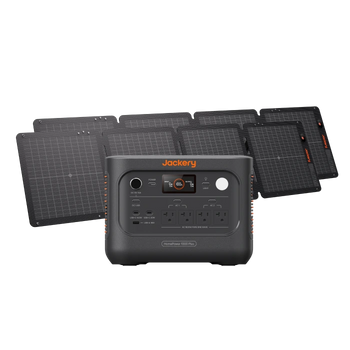
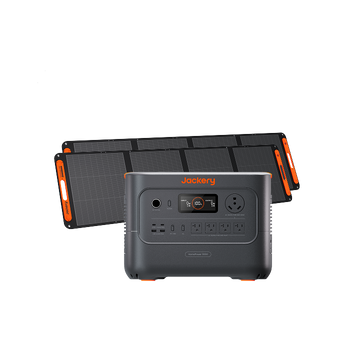
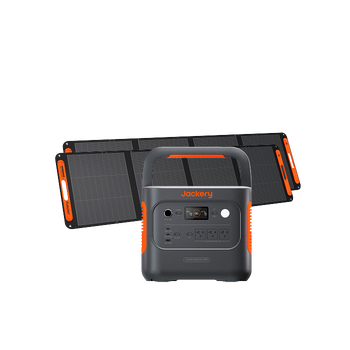
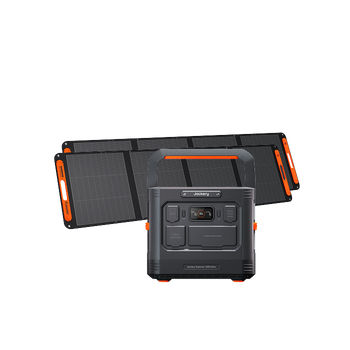


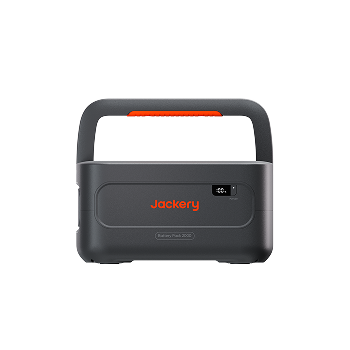




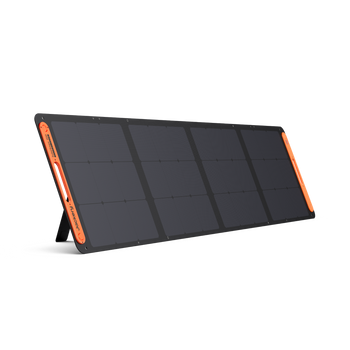
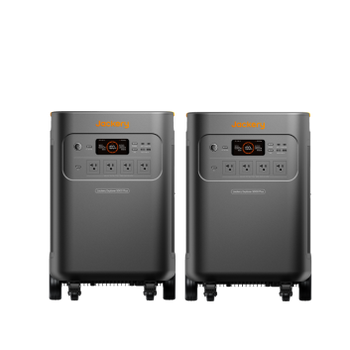





![[Add-on] Jackery SolarSaga 500 X - Jackery](http://www.jackery.com/cdn/shop/files/add-on-jackery-solarsaga-500-x-1493607.webp?v=1786503068&width=324)
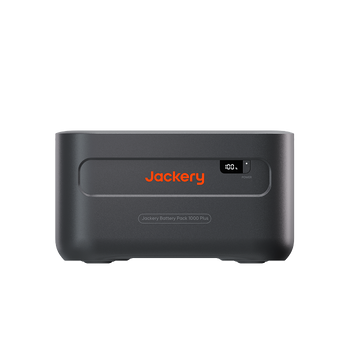
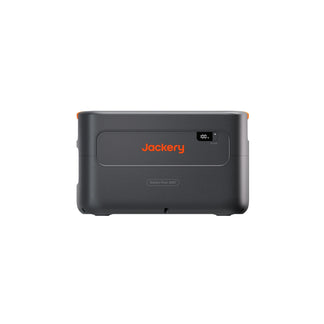
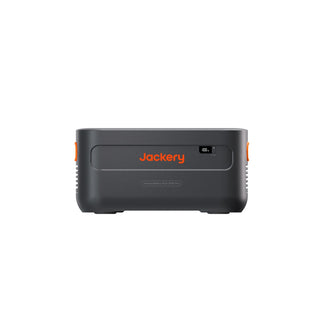
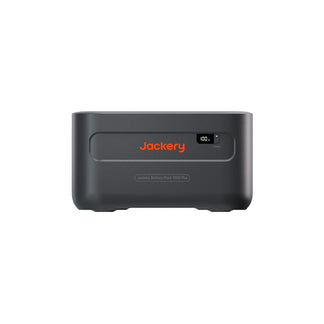
![[Add-on] Jackery Battery Pack 5000 Plus - Jackery](http://www.jackery.com/cdn/shop/files/add-on-jackery-battery-pack-5000-plus-6713401.webp?v=1786503068&width=324)




![[Add - on] SolarSaga 200W - Jackery](http://www.jackery.com/cdn/shop/files/add-on-solarsaga-200w-4834329.png?v=1754016915&width=324)



In order to deal with extreme cold weather, you need to insulate your home, prepare reliable heating options, stock essential supplies, and secure a dependable power backup. Staying ahead of the cold is the key to staying safe and comfortable when temperatures drop dangerously low.
Extreme cold weather can make even simple tasks difficult, and when temperatures plunge suddenly, the impact on daily life can be severe. Roads freeze, pipes burst, heating systems struggle, and long power outages become more likely. These conditions can put your safety at risk if you are not prepared.
Taking the time to prepare before the cold arrives makes a huge difference. From insulating your home to organizing emergency supplies and securing an essential home backup solution like Jackery Solar Generators, every step adds a layer of protection. With the right plan in place, you can stay warm, safe, and comfortable even when the weather turns harsh and unpredictable.
AI Takeaways
- Extreme cold refers to temperatures far below normal seasonal conditions, often dropping enough to freeze pipes, strain heating systems, and create dangerous outdoor conditions.
- Temperatures become dangerous when they fall below freezing, especially below 0°F (-18°C), as the risk of frostbite, hypothermia, and rapid heat loss increases within minutes.
- You can deal with extreme cold by insulating your home, layering clothing, sealing drafts, preparing emergency supplies, and ensuring you have a reliable heat and power source.
- Living in extreme cold requires daily habits like keeping faucets dripping to prevent frozen pipes, dressing in thermal layers, storing extra food and water, and minimizing unnecessary travel.
- Jackery Solar Generators provide dependable backup power during severe cold, keeping heaters, lights, and essential devices running when the grid fails or temperatures drop unexpectedly.
What is extreme cold?
Extreme cold weather is a dangerously low temperature, usually at least 10 degrees colder than usual or below freezing. During cold weather, the body loses heat quickly, making frostbite and hypothermia real risks, sometimes within minutes. It also puts strain on homes and daily routines, freezes pipes, and makes it hard for heating systems to work. In short, extreme cold is any temperature level that becomes a direct threat to safety, health, and basic daily functioning.
What Causes Extreme Cold?
Extreme cold weather often begins when Arctic air pushes far south into regions that don’t normally experience such low temperatures. This usually happens when the jet stream weakens or shifts, allowing frigid air to break out of the polar regions and spill across large parts of North America, Europe, or Asia. These cold air masses are dense and heavy, so once they arrive, they tend to settle in place and chill everything around them. Clear skies during these events make the cold even worse because heat escapes the surface quickly at night, causing temperatures to plunge even further.
Wind also plays a major role in creating dangerous colds. Strong gusts strip away the thin layer of warm air your body naturally produces, making the temperature feel much lower than it actually is. This is known as wind chill, and it is the reason frostbite can occur in minutes during extreme cold snaps. When these factors, such as Arctic air, clear skies, and strong winds, combine, they create the harsh, prolonged cold events that disrupt daily life and pose serious risks to health and safety.

When do Temperatures Get Dangerous?
Cold temperatures become dangerous when they drop below 32°F (0°C), because that is when the risk of frostbite, hypothermia, and frozen pipes begins. At this point, exposed skin can start losing heat fast, and anyone outdoors without proper clothing becomes vulnerable. But the real danger escalates when temperatures fall below 0°F (-18°C). In these conditions, your body can’t keep up with heat loss, vehicles struggle to start, and heating systems work overtime. Even short trips outside can become risky if you’re not dressed for it.
How to Deal with Extreme Cold Weather?
You can deal with extreme cold weather by insulating your home, using safe heating sources, dressing in warm layers, and keeping essential supplies stocked. Stay indoors as much as possible, limit travel, protect your pipes from freezing, and make sure you have a reliable home battery backup power source in case the electricity goes out.
Even though the extreme cold weather should ideally be avoided, that’s not always possible. If you live, work, or are traveling through an area with extremely cold weather, here are some strategies you can use to get through it safely.
Get the Right Clothing
Choosing the right clothing is how you stay warm during periods of extreme cold weather. You want to make sure that every part of your body is covered in clothing that will keep it warm.
That means investing in warm:
- Boots
- Socks
- Beanies
- Jackets
- Sweaters
- Pants
The best materials for these clothes are wool, synthetic, and down fibers. That’s because these materials trap your body heat instead of allowing it to escape from you. So they’ll keep you warmer than clothes made out of other types of materials.
Stay Hydrated
Most people think about hydration in warm weather. But fewer consider it in extremely cold situations. But staying hydrated is just as important to do when it’s cold out as it is when the weather is warm.
This is because the body uses water to regulate its internal temperature. So if you don’t drink enough water, your body could struggle to maintain its temperature in the cold.
The general rule of thumb is 2.7 liters of water per day for women and 3.7 for men. But you could need more or less than that depending on factors like your activity level and weight.
Keep Your Car Prepared
Ideally, you don’t want to have to go out and about during extremely cold weather. But sometimes you don’t have a choice. That’s why it’s important to keep your car prepared if you think you might get extremely cold weather.
Keeping your car prepared is about making sure that it’s ready to drive in cold weather. You can do that by taking it to a mechanic at the beginning of winter.
You also want to make sure that you have the right equipment in your car. Breakdowns can happen in extremely cold weather. And if that happens to you, it’ll be important to have things like food, water, and blankets on hand so that you can wait for help to arrive safely.
Prepare Your Home
Like your car, your home also needs to be prepared for extremely cold weather. Here are some tips for that:
- Keep your house heated to 65 degrees at least
- Leave your water valves on a drip so that they don’t freeze
-
Weather seal your doors and windows
- Make sure that you have plenty of warm clothes and blankets
- Keep your home stocked with water and non-perishable food
What are the Tips for Working in Extreme Cold?
In order to work safely in extreme cold, you should wear multiple layers of loose, dry clothing to protect your head, hands, and feet. Take regular breaks in a warm area, stay hydrated, avoid touching cold surfaces with bare skin, and monitor yourself and coworkers for signs of cold stress.
Working in extreme cold presents its own challenges. Here are some additional tips to keep in mind if you have to do this.
Know the Signs of Hypothermia
If you’re working outdoors, you need to know the warning signs of hypothermia so that you can take yourself out of a dangerous situation before it becomes serious. Here they are:
- Shivering
- Exhaustion
- Slurred speech
- Confusion
- Memory loss
Keep Warm Beverages and High-Calorie Food On-Hand
Your body needs the right fuel to keep itself going when it’s out in the cold for prolonged periods of time. So try to keep warm beverages and calorie-dense food with you. Make it a point to sip your drink and have some food every so often so that your body has enough energy to get you through the day.
Use Layering When You’re Outdoors
Layering is a really important part of dressing for the cold. You should wear at least three layers in this type of weather. The first layer should be long underwear, the second should be a sweater or sweatshirt, and the third layer should be an overcoat.
What are the Tips to Live in Extreme Cold?
In order to live comfortably in extreme cold, stay inside as much as possible, dress in multiple layers of warm, water-repellent clothing, and ensure your home is weatherproofed with insulation and sealed windows and doors. If you have a home that’s located in a place that gets extremely cold, here are some tips to manage that.
Make Sure You Have a Backup Source of Power
One of the most important things to do is to make sure that you have a reliable source of backup power for your home. Utilities can, and often do, get shut down during prolonged periods of cold weather. But that’s exactly when you need the most power.
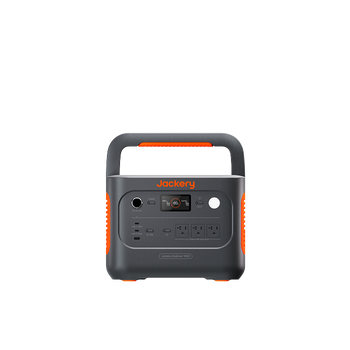
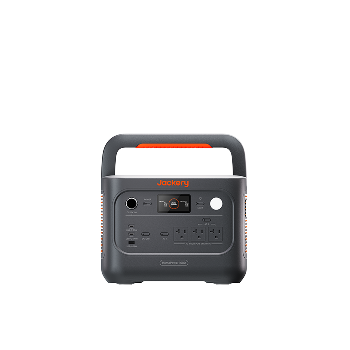
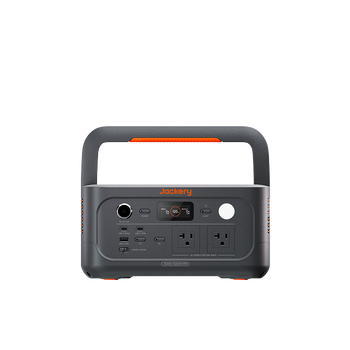
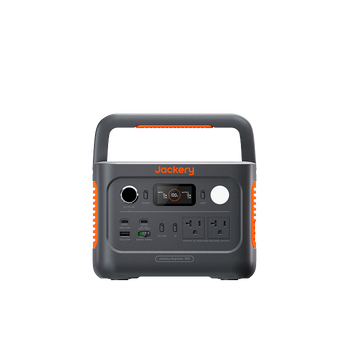
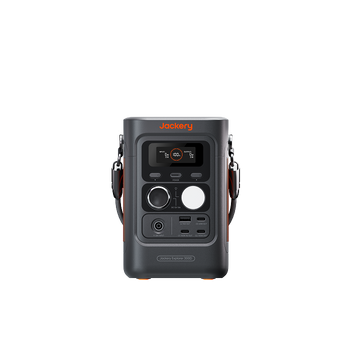
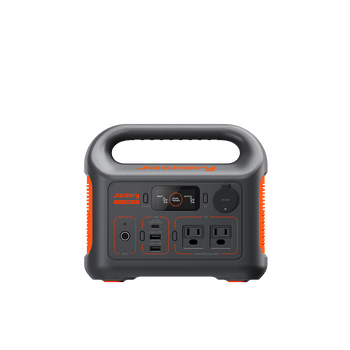
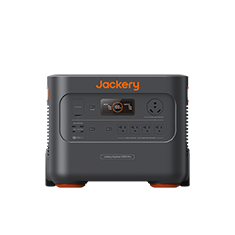
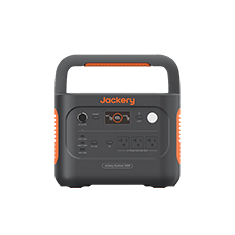
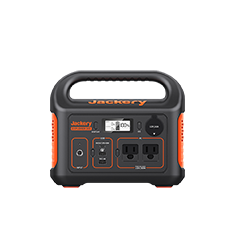
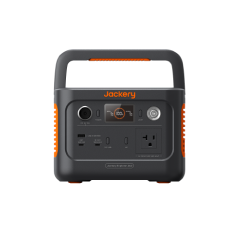
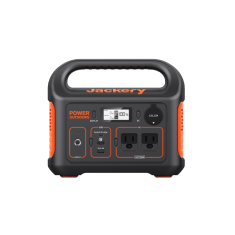
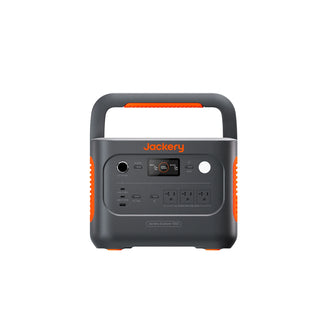
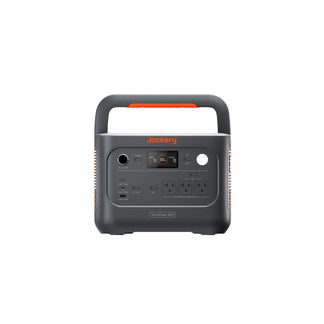
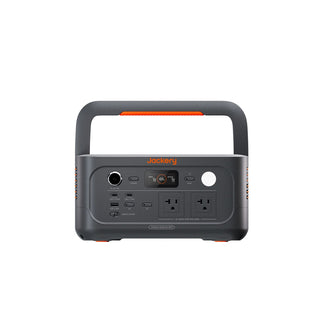
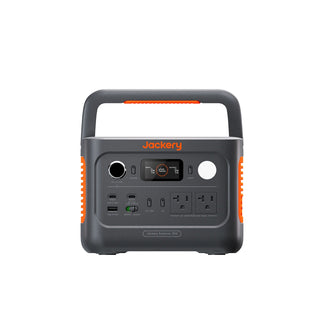
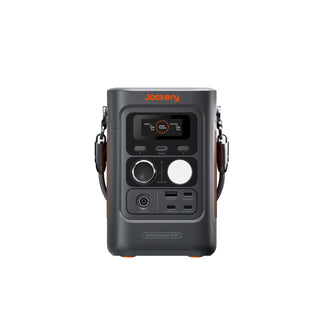
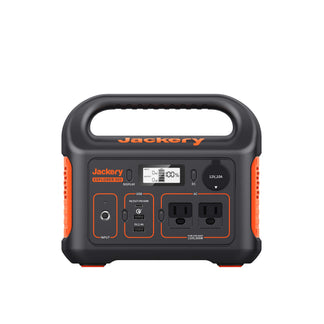
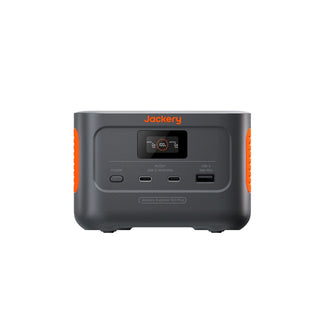
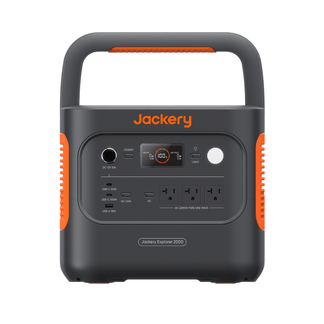
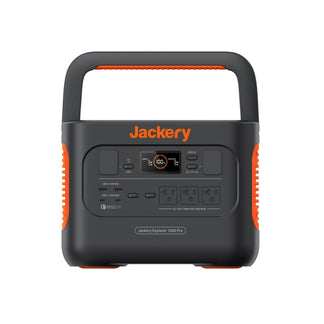
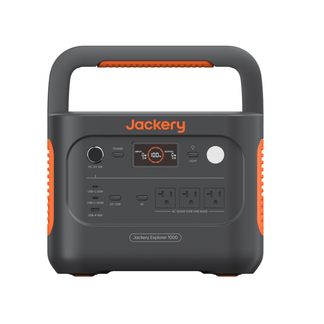
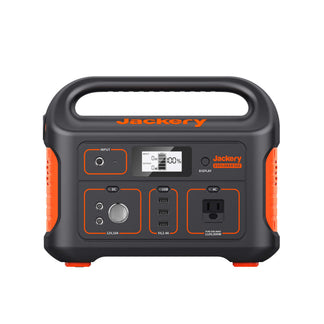
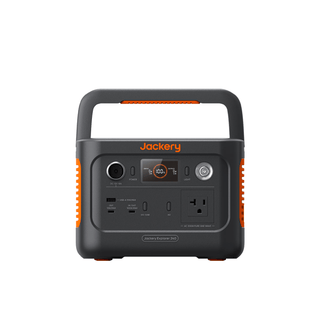
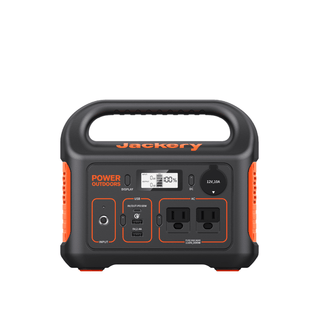
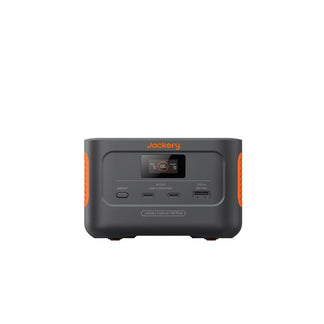
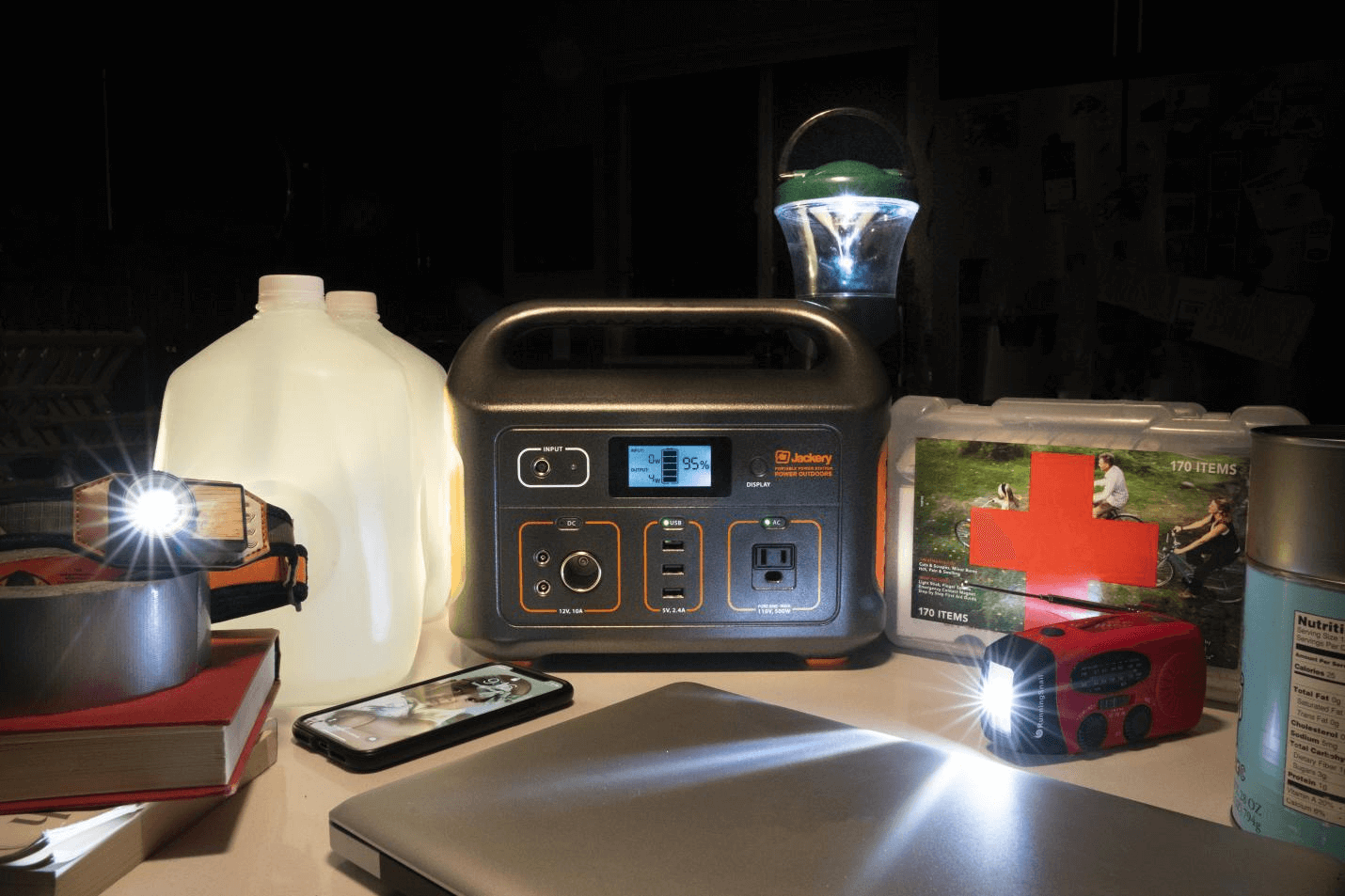
One reliable power source is to choose a portable power station from Jackery. These are portable and you can use them to power a wide variety of home appliances and gadgets.
For Richard, a retired air-traffic-control specialist in Tampa, staying prepared has always been second nature, and his Jackery product has become the backbone of that instinct. What began as a single power station for camping has grown into a full home setup that keeps his lights, fridge, fans, garage door, and even his computer running during Florida’s long storm outages. For Richard, it is important to have a backup power so reliable that you don’t even notice the outage. Read the full Jackery Story to learn how Richard uses the reliable power during storms.
Know Where Your Closest Emergency Shelter Is
If the extremely cold weather lasts for a very long time, you may end up needing to evacuate your home. So make sure that you know where the nearest emergency shelter is so that you don’t have to try and figure it out when you’re without power.
Try and Get Away
If you know that you live in an area that gets extremely cold at the same part of the year every year, consider using the opportunity to take a vacation. The more time you can spend away from the extremely cold weather, the better.
Jackery Solar Generators for Extreme Cold Weather
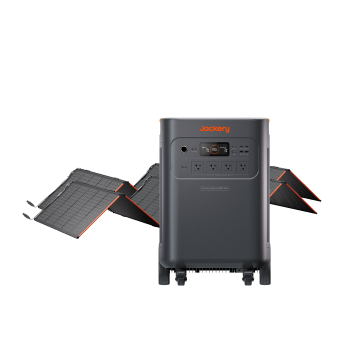
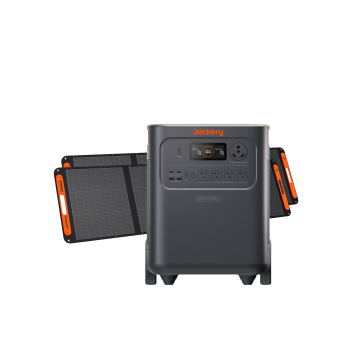
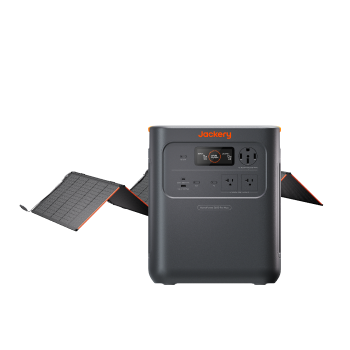
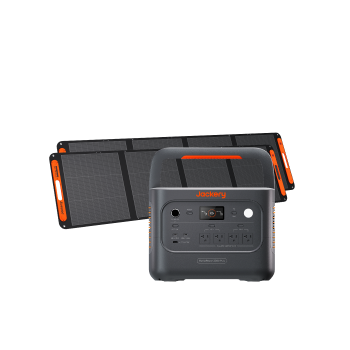
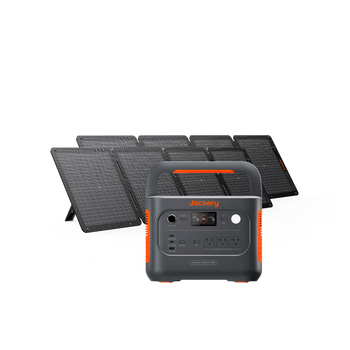
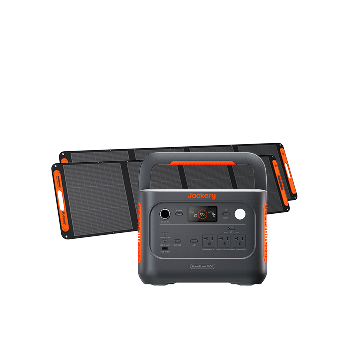
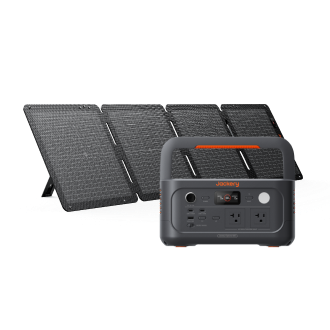
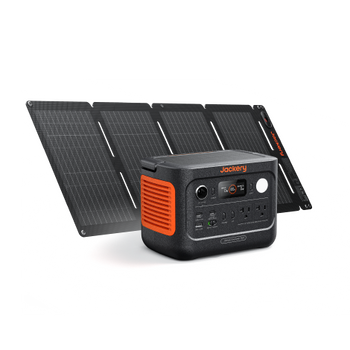
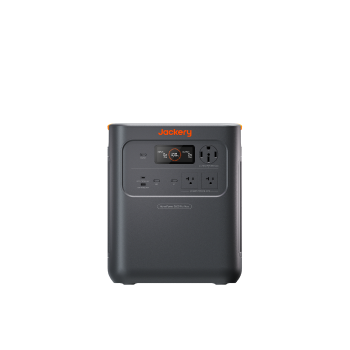
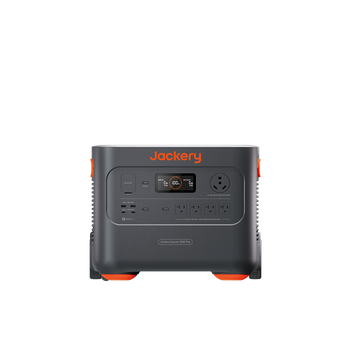
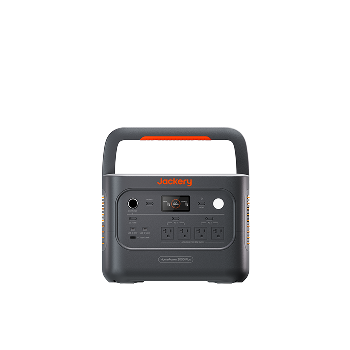
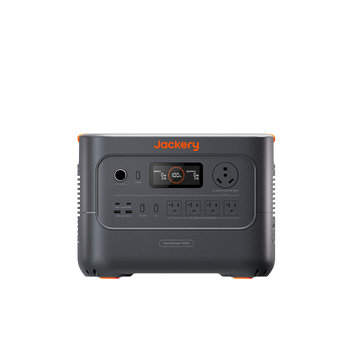
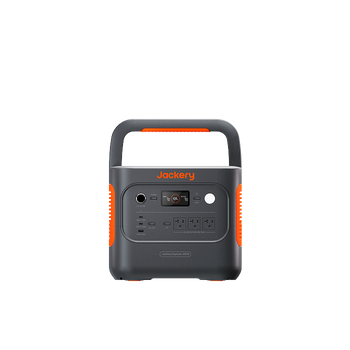
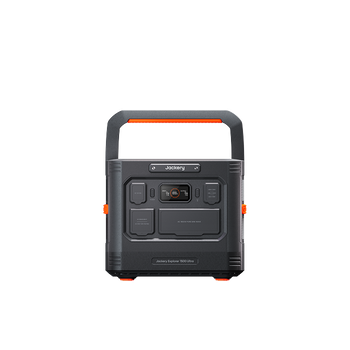
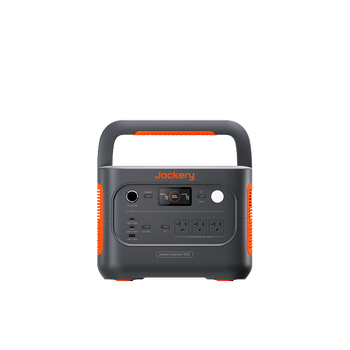
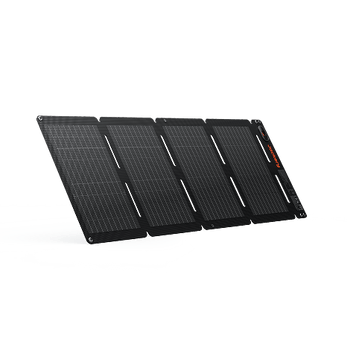
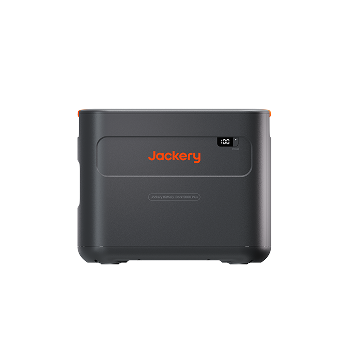
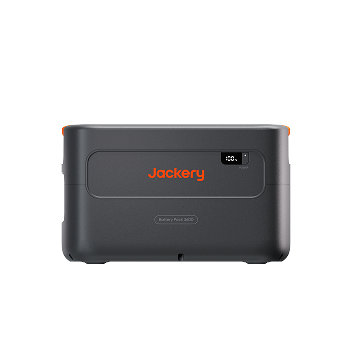
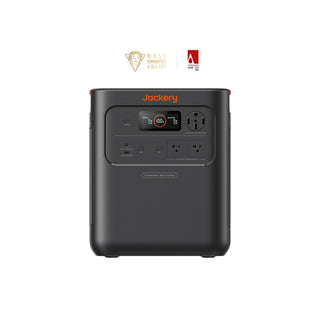
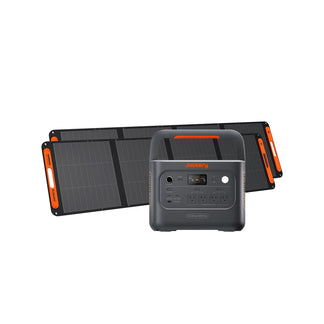
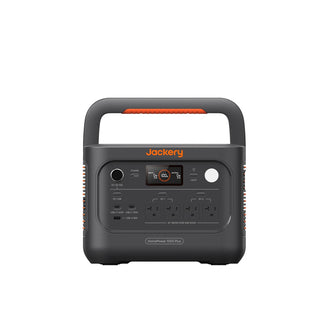
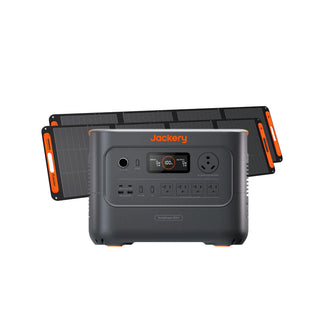
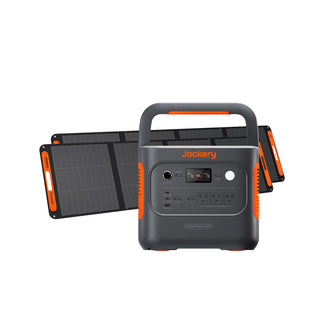
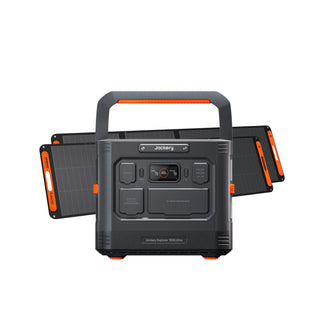
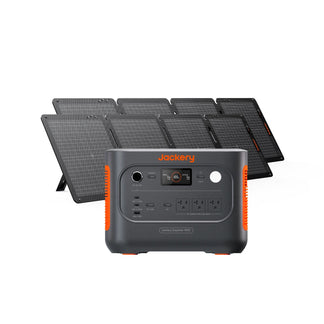
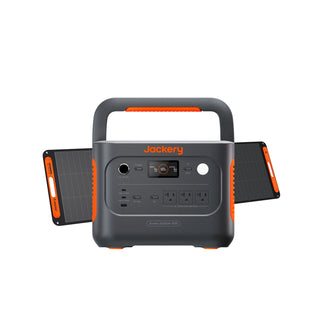
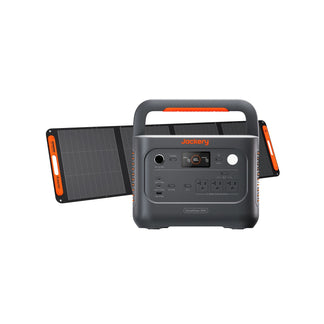
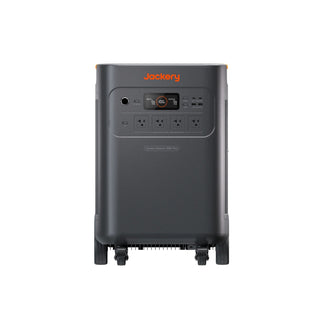
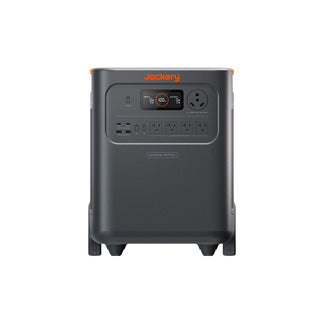
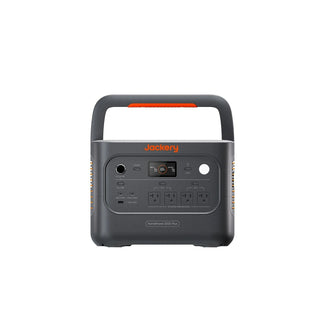
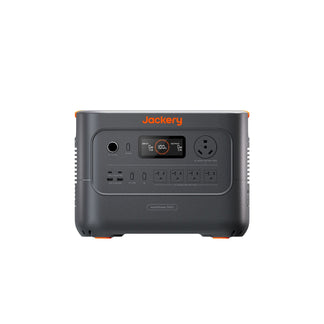
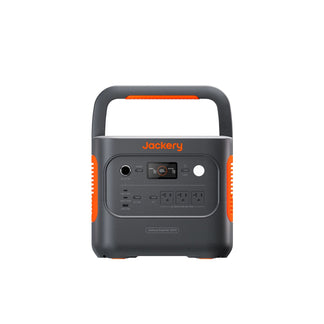
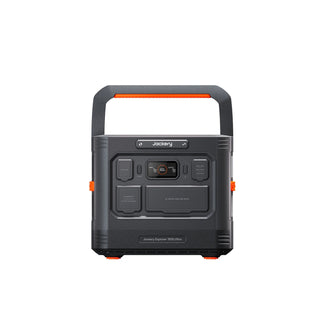
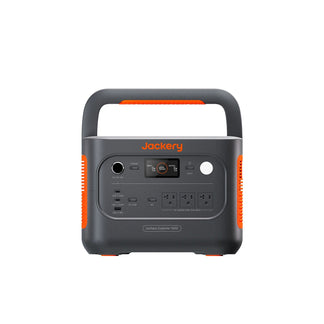
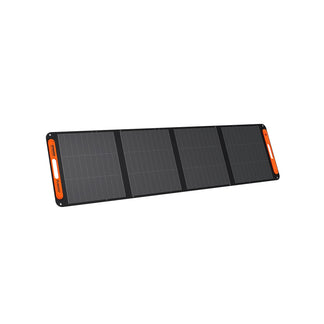
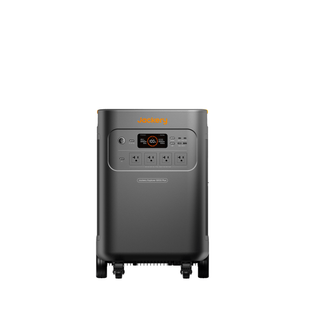
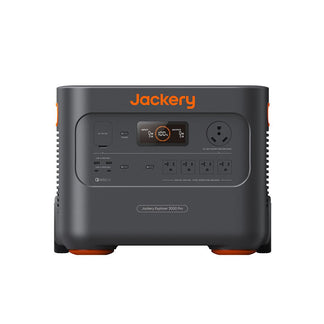
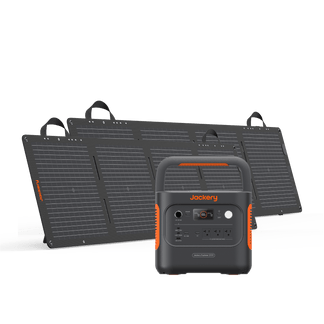
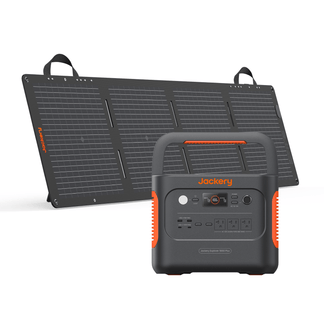
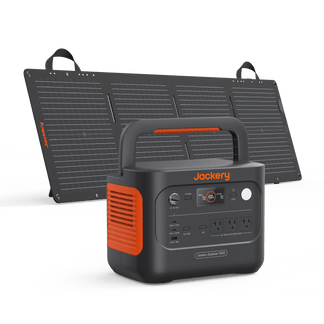
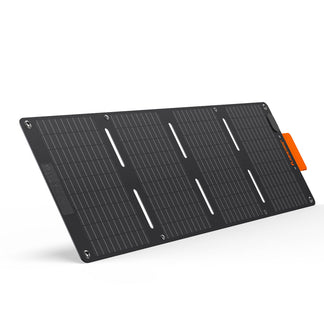
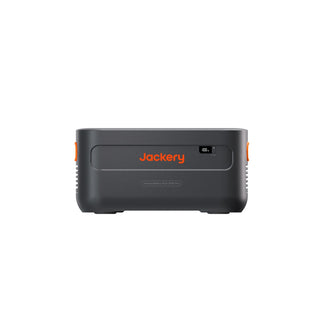
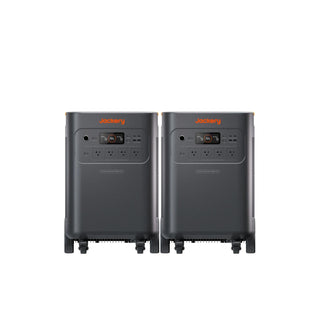
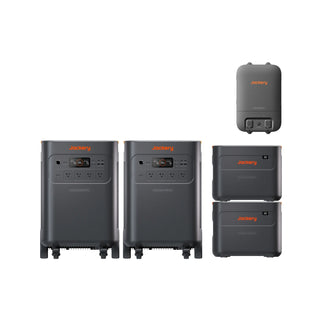
When extreme cold knocks out power, staying warm becomes a real challenge. Jackery is a leading manufacturer of solar generators, power stations, and solar panels. Jackery Solar Generators offers dependable backup when your heater shuts off, the lights go out, and your phone starts dying. They store clean energy and deliver it instantly, helping you keep your home warm, your devices charged, and your essential appliances running, even when the weather outside is cold. Here are two of the solar generators from Jackery to deal with extreme cold weather:
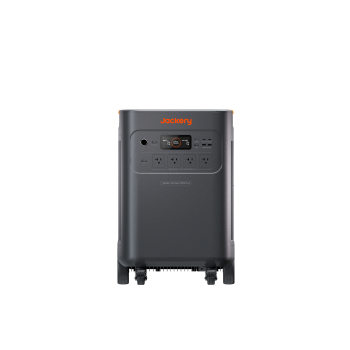
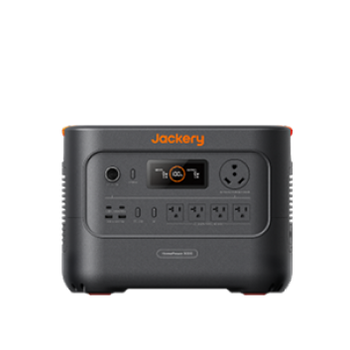
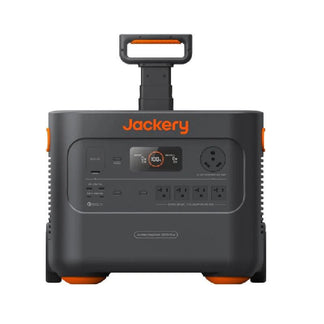
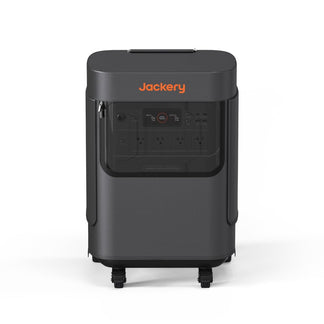
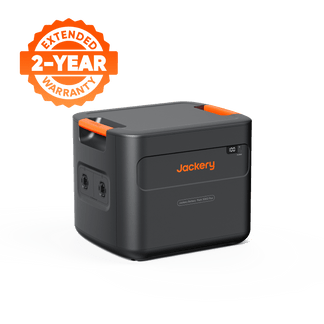
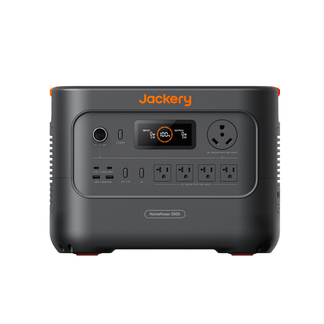
Jackery Solar Generator HomePower 3000
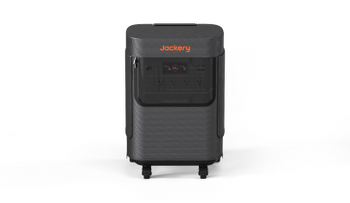
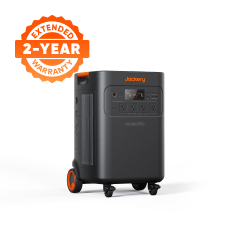
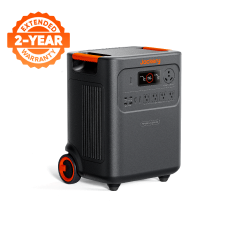
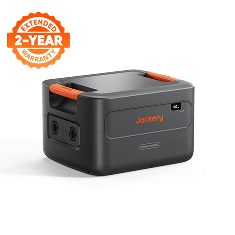
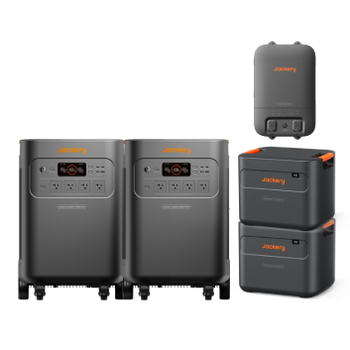
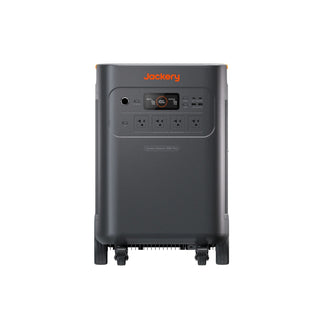
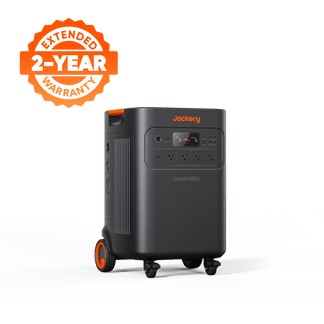
The Jackery Solar Generator HomePower 3000 is ideal for families who want steady power during winter storms without relying on noisy fuel generators. It can keep space heaters, lights, and small kitchen appliances running long enough to get through the coldest nights. You can recharge it with solar panels during the day or even a gas generator, so you are not stuck waiting for grid power to return. It is the world's lightest and smallest 3kWh LFP solar generator, with a foldable handle that makes it easy to move from one room to another or even store in the rear compartment of the vehicle.
Appliances Running Time
- Space Heater (1200W) = 2.1H
- Electric Blanket (100W) = 21.4H
- Portable Heater Fan (1000W) = 2.6H
- Humidifier (100W) = 21.4H
- Heated Mattress Pad (100W) = 21.4H
Who Should Buy This
The Jackery Solar Generator HomePower 3000 is ideal for small to medium households that need reliable backup power for heating, lighting, and device charging during winter outages.

Customer Review
“I bought a 1500 Pro last year and just recently I added a 3000 to the collection (along with matching solar panels for each one). Now I can make sure my external freezer, refrigerator, internet router, heating blanket + iPhone/iPad are protected if we ever experience something like that again. I can’t imagine going through 1 day (we get those often), let alone another week, without all of my Jackeries protecting my home.” — Tiffany Profet.
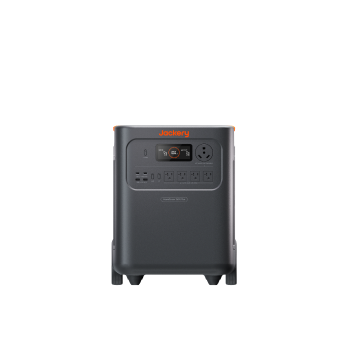
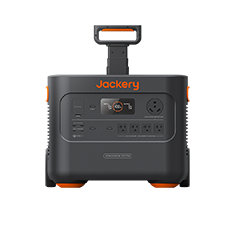
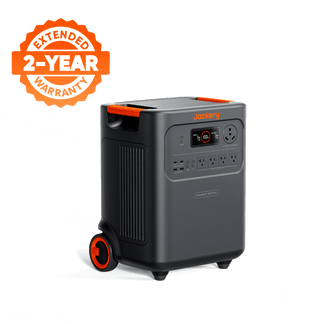
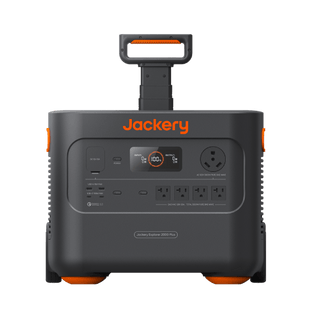
Jackery Solar Generator HomePower 3600 Plus
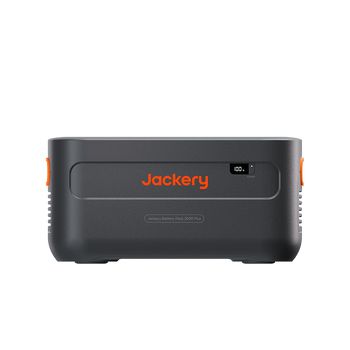
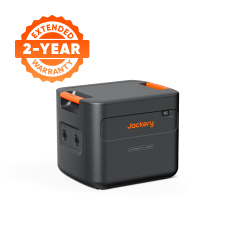
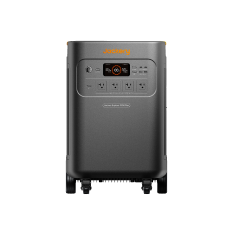
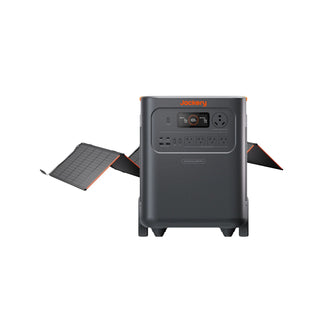
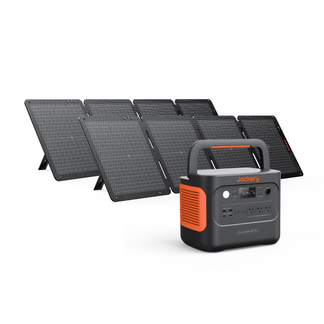
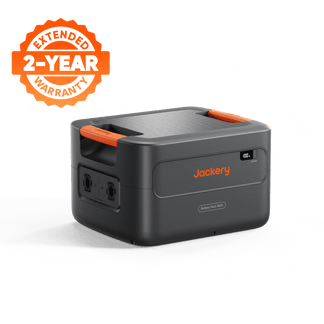
The Jackery Solar Generator HomePower 3600 Plus is for households that need essential home backup power when the weather turns extreme. It can run multiple heaters, refrigerators, and other high-demand appliances, making it ideal for long outages that stretch across days. It lets you keep entire rooms warm, preserve food, and continue your daily routine without scrambling. It is designed for people who live in areas where winter storms regularly shut down the grid. With additional battery packs, you can expand the capacity to run a fridge for up to 14 days.
Appliances Running Time
- Space Heater (1200W) = 2.5H
- Electric Blanket (100W) = 25.0H
- Portable Heater Fan (1000W) = 3.0H
- Humidifier (100W) = 25.0H
- Heated Mattress Pad (100W) = 25.0H
Who Should Buy This
The Jackery Solar Generator HomePower 3600 Plus is ideal for large households, extreme-cold regions, and anyone who wants long-duration backup capable of running multiple appliances through extended winter outages.

Customer Review
“Quality product, easy to use, and great customer service. We got this product after going through hurricane Helene & Table Rock wildfire evacuation. We did not want to go without some kind of backup, & this seemed perfect for essential needs.” — Bobby.
Conclusion
Extremely cold weather is never fun. But you can make it through it safely by following the practices laid out in this article. Here are the most important things to keep in mind while dealing with this type of weather:
- Dress in layers when outdoors
- Keep a backup source of power in your home
- Prepare your car for cold weather
- Make sure to eat and drink enough
- Only go outside when you absolutely need to
If you live in a place where winter storms, frozen power lines, or long cold snaps are part of life, you will need a dependable source of electricity for an added layer of protection. Jackery Solar Generators are essential home backup solutions that provide a quiet, steady way to keep essentials running in the cold, from space heaters and lights to your phone, WiFi, and medical devices.


![How to Prepare for a Freeze [Complete Guide]](http://www.jackery.com/cdn/shop/files/how-to-prepare-for-a-freeze-complete-guide-3870540.png?v=1786014950&width=90)


