
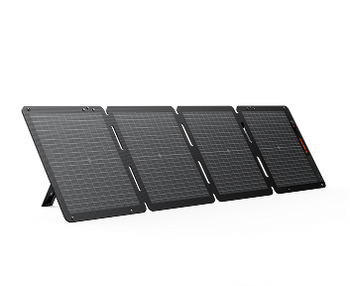





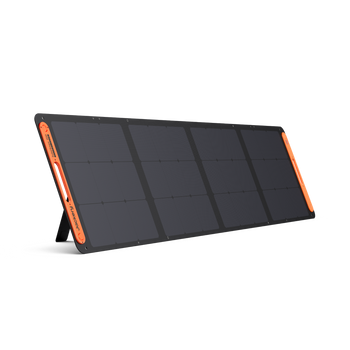



![[Add-on] Jackery SolarSaga 500 X - Jackery](http://www.jackery.com/cdn/shop/files/add-on-jackery-solarsaga-500-x-1493607.webp?v=1786503068&width=324)
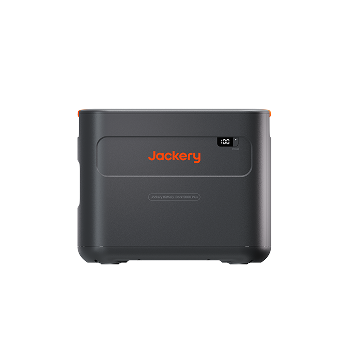
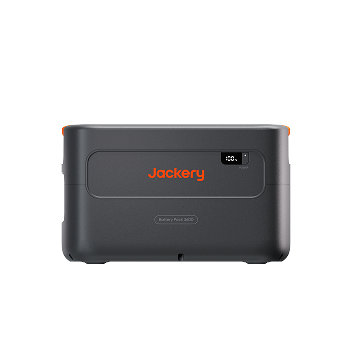
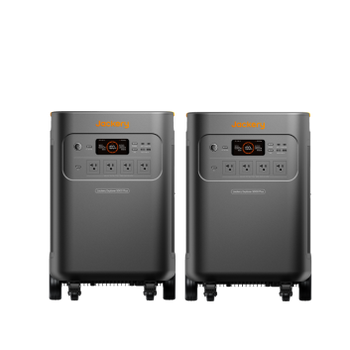
![[Add-on] Jackery Battery Pack 5000 Plus - Jackery](http://www.jackery.com/cdn/shop/files/add-on-jackery-battery-pack-5000-plus-6713401.webp?v=1786503068&width=324)








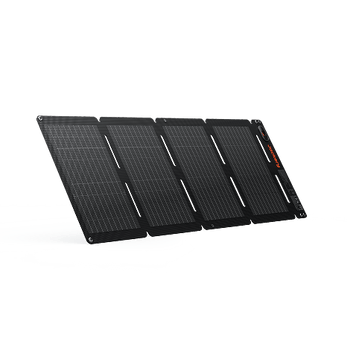
![[Add - on] SolarSaga 200W - Jackery](http://www.jackery.com/cdn/shop/files/add-on-solarsaga-200w-4834329.png?v=1754016915&width=324)


When the FIFA World Cup 2026 kicks off across North America, summer temperatures will be soaring. While millions of fans gather to watch the matches, hosts will be busy preparing classic All-American watch party feasts—from raw burger patties and hot dogs ready for the grill, to chilled potato salad, creamy dips, and ice-cold drinks.
However, summer heat waves exceeding 90 degrees Fahrenheit can cause your refrigerator's electricity consumption to jump by up to 50%. With guests constantly opening the door to grab beverages during a high-stakes match, your compressor's workload can easily triple, threatening to overload your home's circuits or drain your backup batteries.
Managing your refrigerator's energy footprint is critical to prevent grid overloads and keep your perishable foods safe. This guide outlines how to optimize your refrigerator's efficiency, secure your game-day menu, and choose the ultimate backup power solution to outlast any summer blackout.
Why is Refrigerator Efficiency Critical for Your FIFA World Cup 2026 Watch Party?
According to the U.S. Department of Energy guidelines, refrigeration typically accounts for 13% to 15% of a standard home's electricity bill. During the peak summer months of June and July, this baseline energy footprint expands dramatically:
- Ambient Temperature Pressure: When outdoor temperatures climb, your refrigerator condenser coils cannot reject heat efficiently. This forces the compressor to run longer, more frequent cycles to maintain safe internal temperatures.
- The Open-Door Penalty: Every time a guest opens the door to grab a drink during the match, heavy cold air falls out and warm, humid kitchen air rushes in. On game day, frequent door openings can easily double your compressor's hourly runtime.
- Duty Cycle Spikes: While a typical refrigerator operates on a 30% to 50% duty cycle, the combination of summer heat and party activity can force this run time up to a continuous 70% to 90%, placing immense strain on your backup power systems.
How Does a Fridge Secure Your All-American Watch Party Feast?
An All-American watch party menu is highly dependent on reliable, uninterrupted cold storage. Keeping these perishables below 40 degrees Fahrenheit is essential for food safety:
- Raw Grilling Meats: Ground beef patties for burgers, hot dogs, and pork sausages must stay strictly below 40 degrees Fahrenheit until they hit the grill to prevent the rapid growth of food-borne pathogens like E. coli and Salmonella.
- Mayo-Based Sides: Classic American side dishes like potato salad, macaroni salad, and coleslaw use mayonnaise-based dressings. These dairy-rich sides are highly sensitive to heat and will quickly spoil if left in a warm room or a failing refrigerator.
- Chilled Dips and Perishables: Creamy ranch dips, sour cream-based buffalo chicken dips, guacamole, and sliced cheeses require continuous, stable refrigeration to preserve their freshness and flavor.
- Beverage and Ice Reserves: Keeping sodas, domestic beers, craft IPAs, and bags of ice perfectly chilled is the cornerstone of any great pre-game gathering.
How Do You Measure Your Fridge's Actual Power Draw Before the Match?
Do not rely on the maximum "full-load" nameplate ratings printed on your appliance's back label, as these are maximum theoretical limits. To find your true operational draw, follow these steps:
- Connect an Energy Monitor: Plug a standard watt-hour meter (like a Kill A Watt meter) directly into your wall outlet, and plug your refrigerator into the meter.
- Run a 24-Hour Trial: Measure your consumption over a full 24-hour summer cycle to log your real-world kilowatt-hour (kWh) usage.
- Identify Active vs. Surge Draw: Modern refrigerators typically draw 100W to 250W of running power, but they require a brief startup surge of 600W to 1,200W to break motor inertia. Sizing these surges is critical when planning backup power. To compare these figures, consult our guide on how many watts does a refrigerator use.
What are the Best ENERGY STAR Choices to Lower Long-Term Consumption?
If you are planning to upgrade your kitchen or purchase a secondary "garage fridge" before the World Cup begins, choosing an energy-efficient model is the most effective way to lower your baseline load:
- ENERGY STAR Efficiency: Certified models are engineered to be at least 9% more efficient than federal minimum standards, saving substantial energy and costs over their operating lifespan. Review ENERGY STAR certification standards to compare models.
- Top-Freezer Designs: Top-freezer models are 10% to 25% more energy-efficient than side-by-side or bottom-freezer configurations of the same size, as cold air naturally sinks into the refrigerator compartment without fighting physics.
- Optimal Sizing: Models sized between 16 and 20 cubic feet offer the highest operational efficiency. Oversized refrigerators (25+ cubic feet) waste significant power cooling unnecessary empty air space.
- Fewer Doors: Every additional door or drawer increases the potential for air leakage and gasket seal failure.
Where is the Best Place to Position Your Refrigerator to Avoid Heat Stress?
Refrigerators rely on thermodynamic heat rejection; placing them in high-heat zones forces them to draw significantly more power:
- Isolate from Heat Sources: Never place your refrigerator directly next to an oven, stove, dishwasher, or sunny window. Radiant heat from nearby appliances can spike compressor runtimes by 15% to 25%.
- Provide Adequate Back Ventilation: Ensure there is a minimum of 2 to 3 inches of clear physical space behind your refrigerator. Restricting air circulation over the condenser coils causes heat to build up, forcing longer cycles.
- Manage Ambient Temperature: In hot garages or outdoor kitchens where temperatures exceed 100 degrees Fahrenheit, refrigerators consume up to 35% more electricity. Keep garage units in a shaded corner, and read our dedicated mini fridge guide for compact beverage setups.
How Do You Maintain Your Refrigerator for Peak Efficiency?
Simple, routine maintenance steps will protect your refrigerator's operating efficiency and prevent component wear:
- Clean Condenser Coils Every 6 Months: Dust-coated coils cannot reject heat efficiently, increasing active energy consumption by up to 35%. Vacuum or brush the coils under or behind the unit regularly.
- Test and Clean Door Gaskets: Worn or loose door seals allow cold air to leak out continuously, costing extra utility charges. Test your seal by closing the door over a dollar bill; if it slides out easily with no resistance, the seal needs replacing.
- Set the Correct Temperatures: Set your refrigerator to 35°F to 38°F and your freezer to 0°F. Settings colder than 35°F waste electricity without providing food safety benefits. If you are using a compact unit, review how many watts does a mini fridge use to establish baseline settings.
- Use a Wireless Thermometer: Monitor your refrigerator's internal temperature using a remote sensor or smartphone app so you do not have to open the door just to check.
How Can You Use Pre-Cooling and Thermal Mass to Manage Peak Demand?
You can use basic thermodynamics to turn your refrigerator's interior into a temporary "thermal battery" before your guests arrive:
- The Pre-Cooling Tactic: Turn your refrigerator down to its coldest setting (around 32°F) 24 hours before your watch party. This builds a cold reservoir, allowing the food and air inside to absorb warm drafts without the compressor immediately kicking on.
- Create Thermal Mass: Place pre-frozen water jugs or ice packs in empty freezer or refrigerator shelves. This frozen mass holds a stable temperature and absorbs heat, reducing compressor strain.
- Keep the Fridge Stocked: A fully stocked refrigerator holds its cold temperature far better than an empty one. If your fridge is sparse on game-day morning, fill the empty space with water bottles to build thermal inertia.
To keep your kitchen cool and prevent peak-rate spikes, delay other heavy appliances (like dishwashers, clothes dryers, and stoves) until late evening hours. You can also explore how to reduce refrigerator power consumption with solar panels.
What are the Smartest Game-Day Habits to Cut Refrigerator Energy Use?
On the day of your watch party, simple behavioral adjustments can slash your refrigerator's electricity draw:
- Use an Outdoor Drink Cooler: Beverages are the number-one reason people open refrigerator doors. Keeping your party drinks in an insulated cooler packed with ice eliminates dozens of door openings per hour, keeping your fridge compressor quiet.
- Pre-Chill Warm Items: Always chill warm sodas, water bottles, and food containers in your kitchen fridge overnight before transferring them to your event fridge. Placing warm food into a cold box forces the compressor into a heavy, continuous run.
- Establish a "Grab & Go" Zone: Group high-use party items (like condiments, cheese slices, and burger patties) directly at the front of the shelves so guests can grab them in under 10 seconds.
- Defrost Your Freezer: Fully defrost your freezer 24 hours before the party. A layer of frost thicker than a quarter-inch insulates the evaporator coils, reducing heat transfer efficiency and forcing the compressor to work harder.

What are the Best Backup Power Solutions for Grid Overloads?
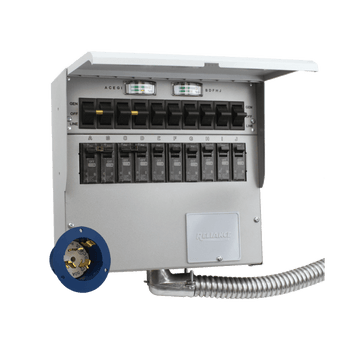
Summer heat waves frequently strain the local electrical grid, resulting in brownouts or rolling blackouts. A reliable portable power station with an automatic transfer switch (UPS bypass) keeps your refrigerator running and your food safe through any outage:
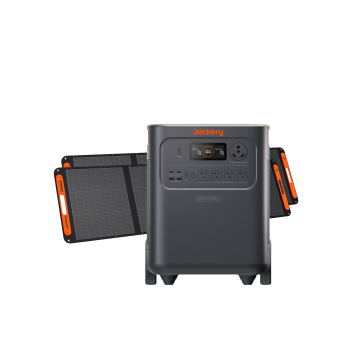
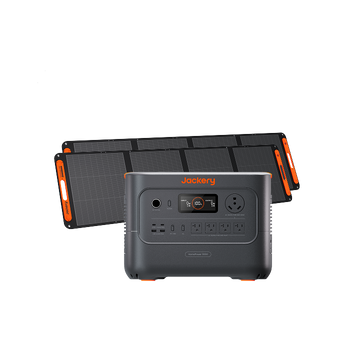
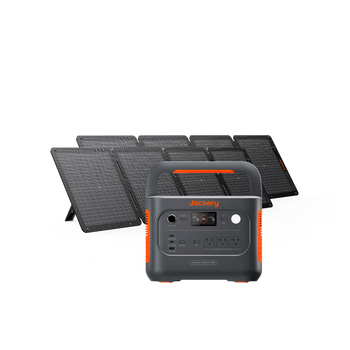
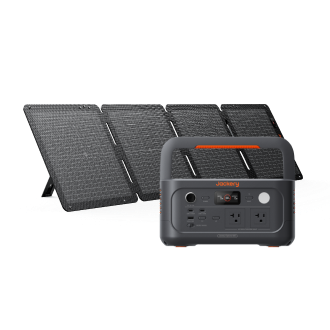
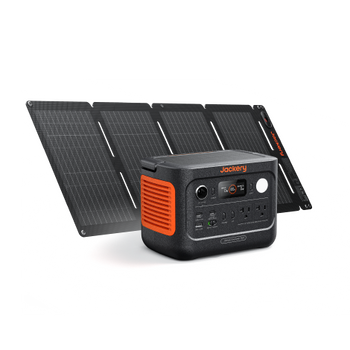
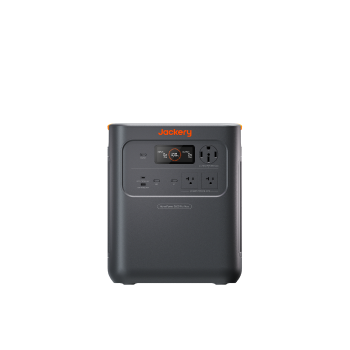
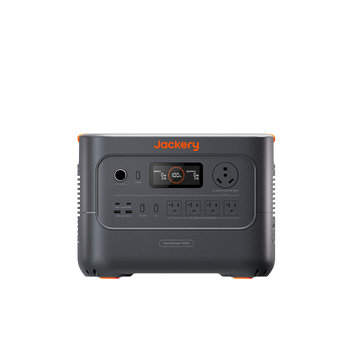
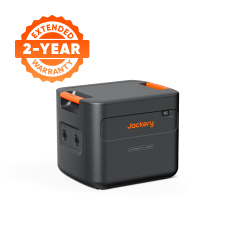
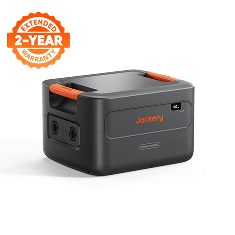
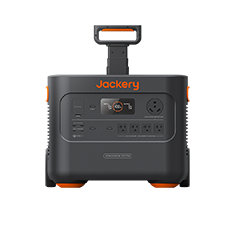
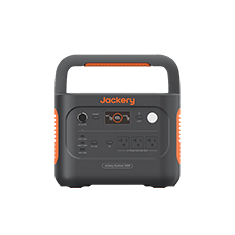
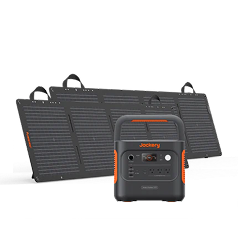
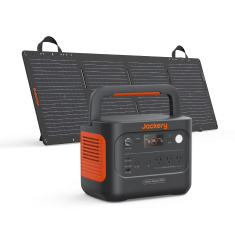
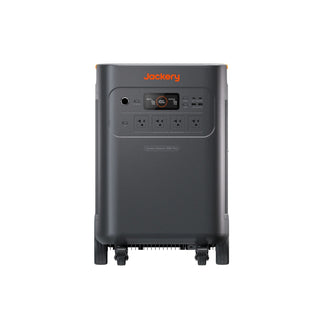
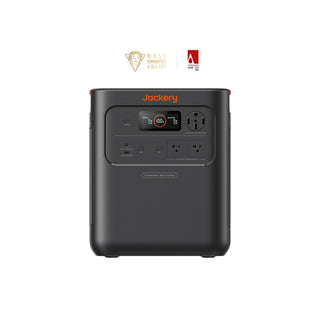
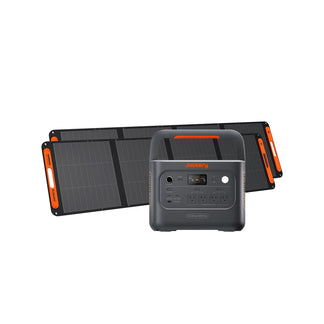
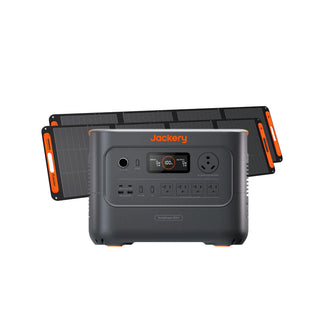
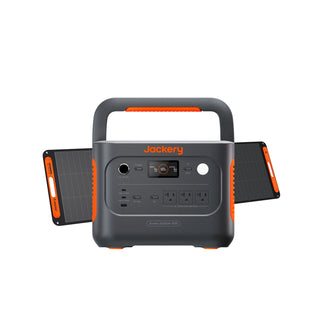
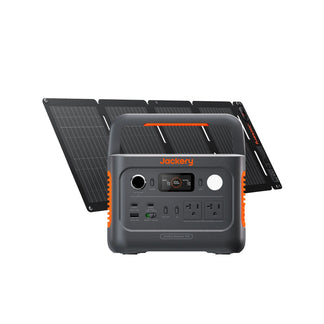
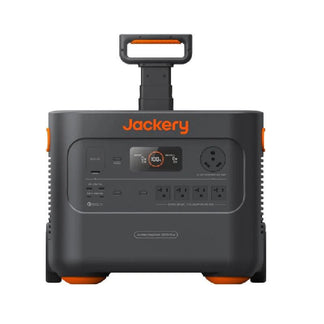
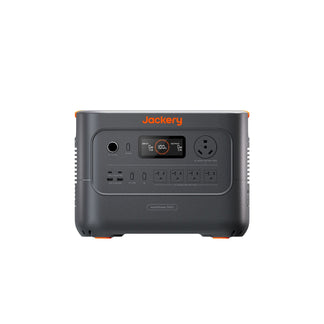
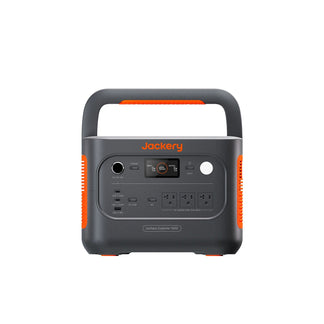
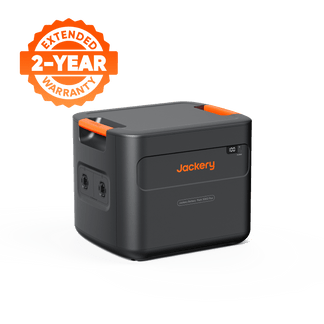
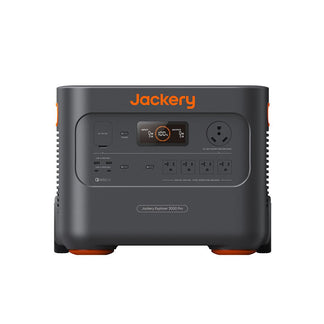
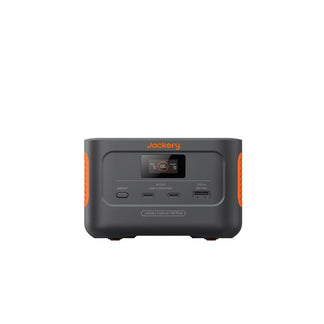
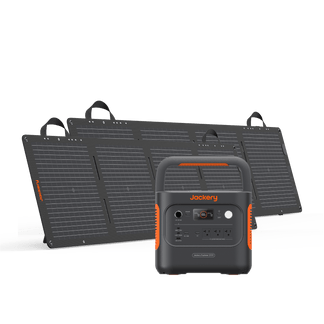
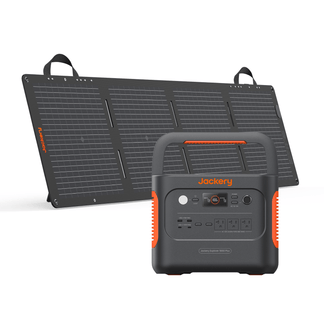
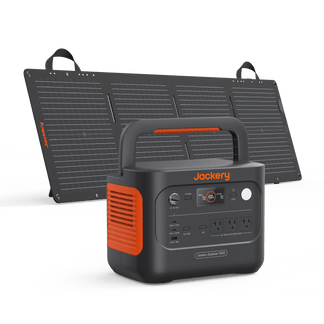
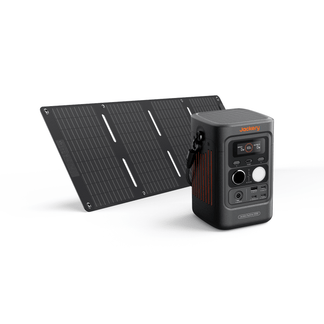
Jackery Solar Generator 2000 v2
The compact, portable, and fast-charging emergency backup system:
- Reliable Capacity: Sized to run a standard household refrigerator (drawing 520W) for up to 3.2 hours on a single charge. Its 4,400W peak surge output handles compressor startup spikes easily.
- Seamless Switchover: Features an under-20ms UPS transfer time to protect your appliances from grid surges and reboots.
- Fast Charging: Recharges from empty to 100% in just 1.7 hours from a standard wall outlet.
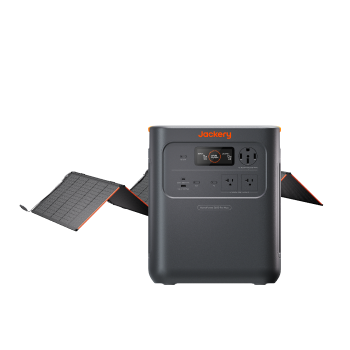
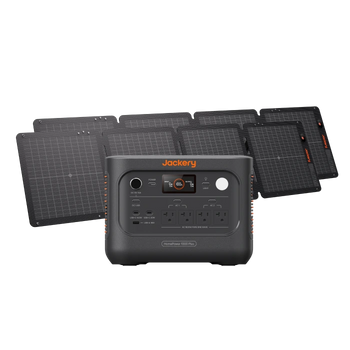
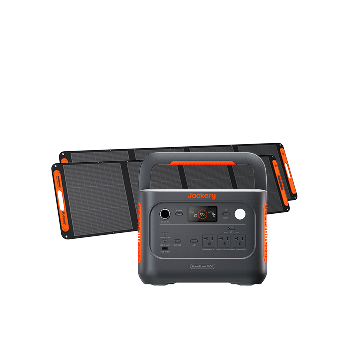
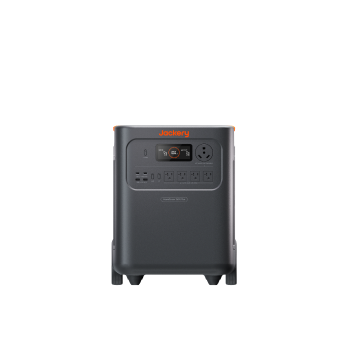
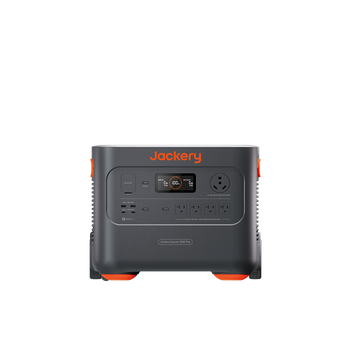
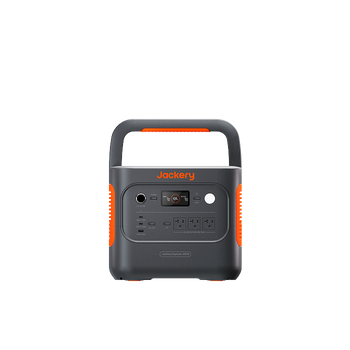
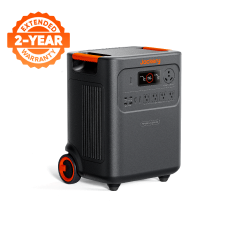
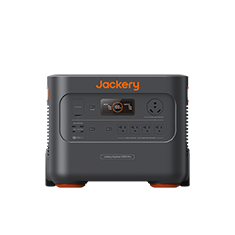
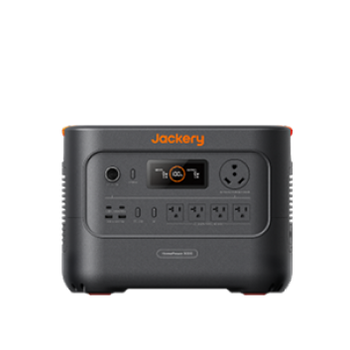
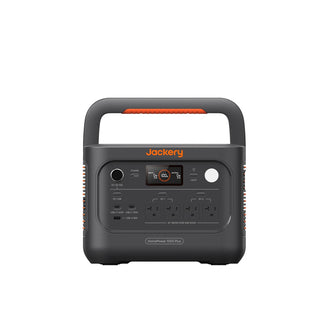
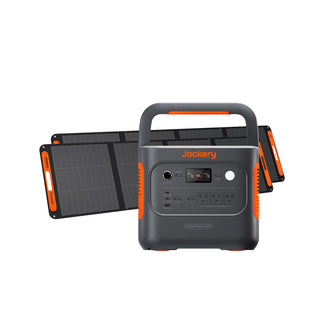
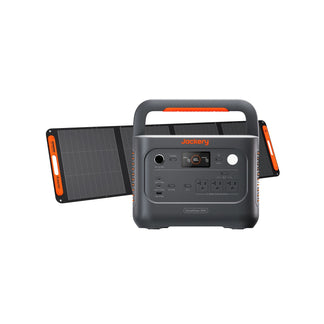
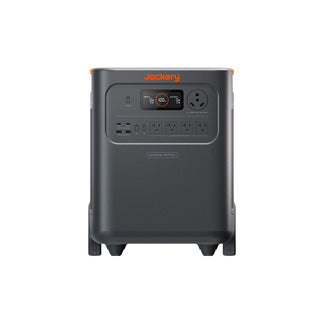
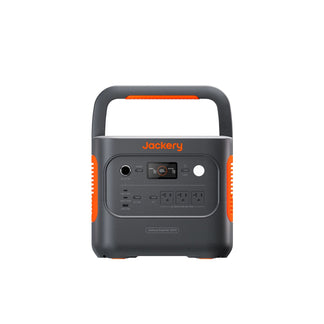
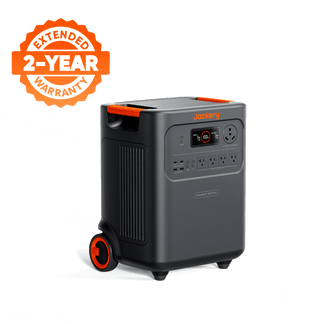
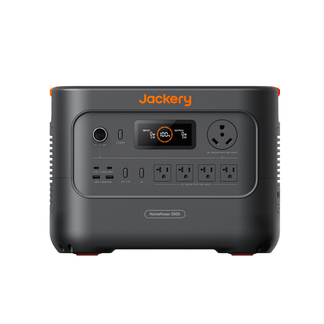
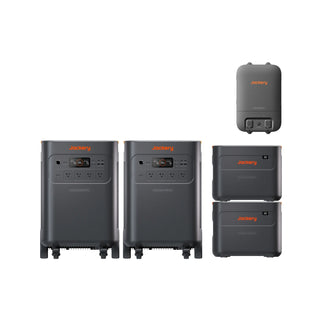
Jackery Solar Generator HomePower 3600 Plus
The high-capacity, expandable power station designed for long-term off-grid protection:
- Extended Runtime: Holds 3,584 Wh of LiFePO4 capacity to run a standard, low-draw refrigerator (80W) for up to 38 hours.
- Robust Power: Features a 3,600W AC output (7,200W surge) to run multiple appliances and fans simultaneously without overloading.
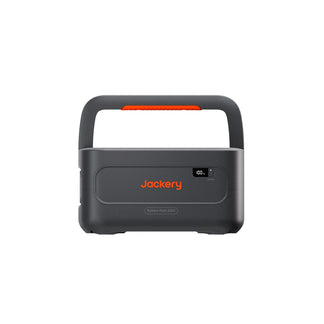
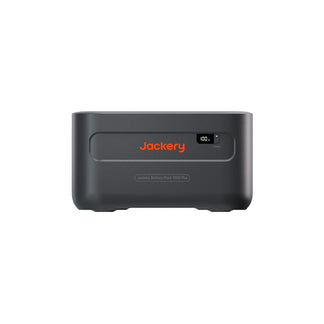
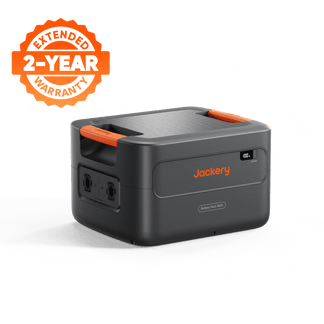
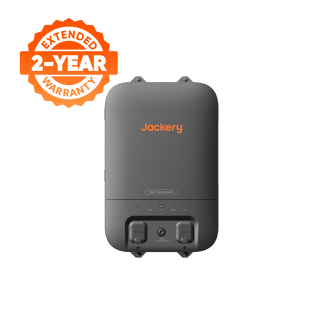
- Modular Growth: Supports adding plug-and-play battery expansion packs to scale your storage up to 21.48 kWh for multi-day outages.
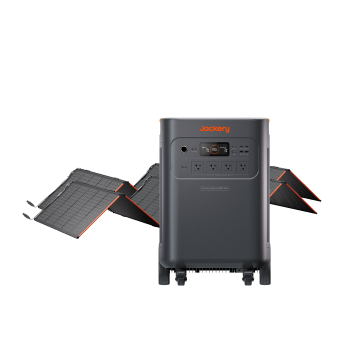
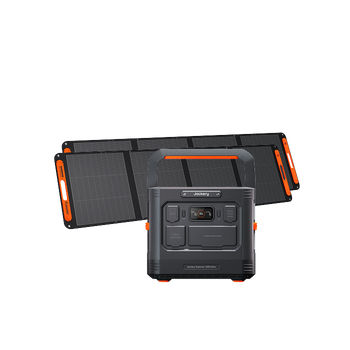
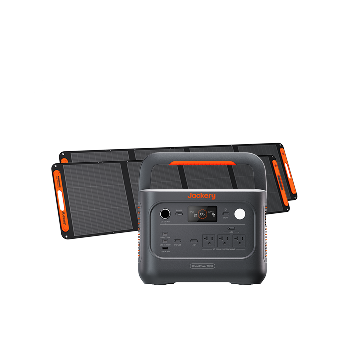
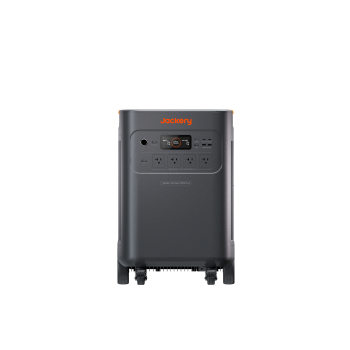
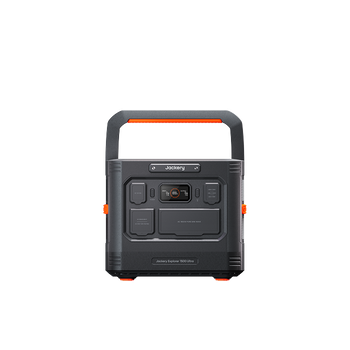
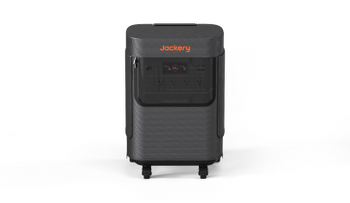
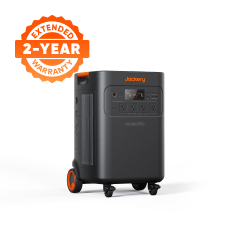
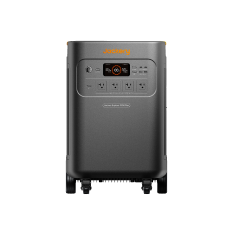
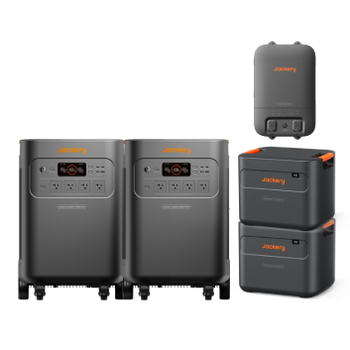
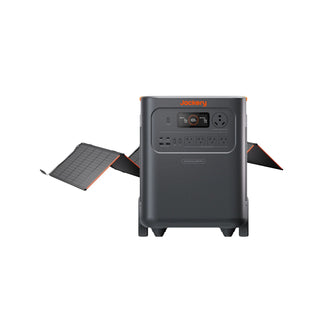
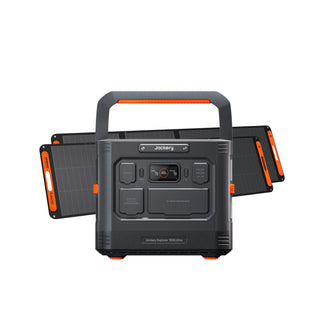
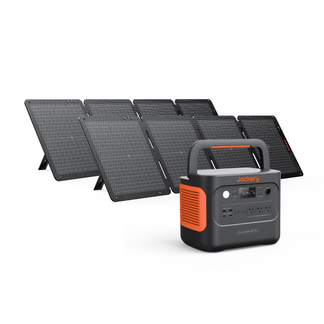
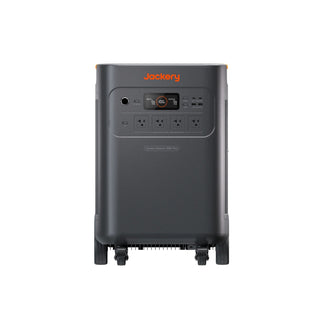
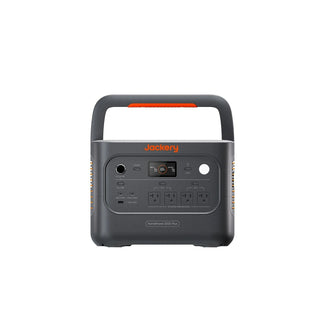
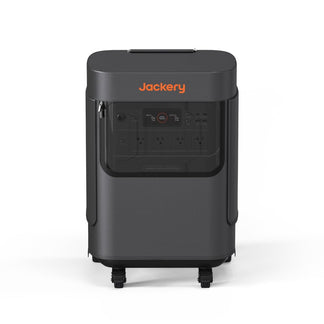
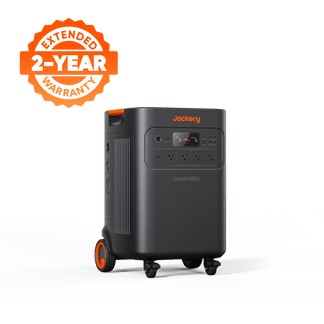
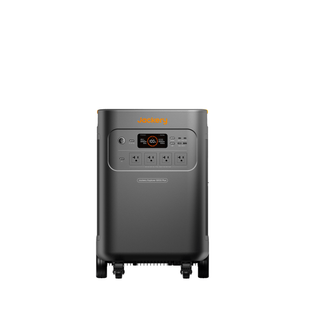
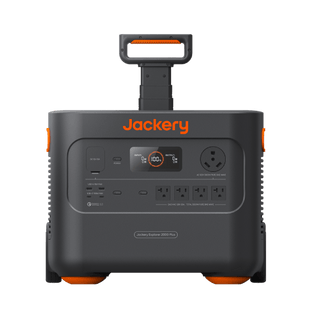
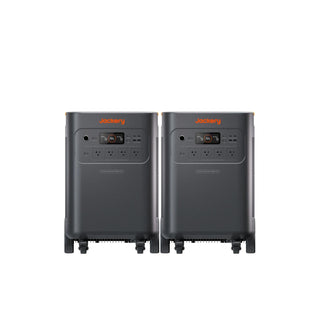
Jackery Solar Generator 5000 Plus
The premium, heavy-duty backup solution designed to keep your entire kitchen and cooling setup online:
- Brute-Force Output: Delivers 7,200W of continuous output and 14,400W of surge capacity, running your refrigerator for 10 hours while simultaneously powering a portable air conditioner and entertainment center.
- 0ms Online UPS: True uninterruptible power with 0ms transfer time, ensuring sensitive electronics never register a power flicker during grid transitions.
Jackery Appliance Backup Matrix
|
Backup Option |
Battery Capacity |
Continuous / Surge Output |
Outage Runtime (Standard Refrigerator) |
UPS Switchover Speed |
|
Jackery Explorer 2000 v2 |
2,042 Wh |
2,200 W / 4,400 W |
Approximately 3.2 hours |
Under 20 milliseconds |
|
Jackery Solar Generator HomePower 3600 Plus |
3,584 Wh (expandable to 43 kWh) |
3,600 W / 7,200 W |
Up to 38 hours (80W average) |
Under 20 milliseconds |
|
Jackery Solar Generator 5000 Plus |
5,040 Wh (expandable to 60 kWh) |
7,200 W / 14,400 W |
Approximately 10 hours + portable AC |
0 milliseconds (Online UPS) |
Frequently Asked Questions
Will a power strip save my fridge energy?
No. Never plug a refrigerator into a standard power strip or surge protector. Heavy-duty compressors require a direct, dedicated wall outlet to prevent potential fire hazards, voltage drops, and compressor damage.
How much money do worn door seals actually waste?
Worn or loose door gaskets allow cold air to leak out continuously, which can add up to $50 to $100 annually to your energy bill while placing substantial wear on your compressor motor.
Does an automatic ice maker raise my energy bill noticeably?
Yes. Active automatic ice makers can increase a refrigerator's daily energy consumption by 12% to 20% due to the operation of the internal heating elements and continuous water-fill cycles.
Should I unplug my secondary garage refrigerator in the summer?
Yes. Older refrigerators kept in uninsulated garages can easily consume $100 to $200 in extra electricity during hot summer months. If the unit is mostly empty or unused, it is highly cost-effective to pull the plug.
Does a built-in water dispenser use extra electricity?
Yes. Drawing chilled water warms the refrigerator's internal water reservoir slightly, forcing the compressor to run extra cooling cycles. While the individual impact is small, it accumulates over a hot summer season.


