

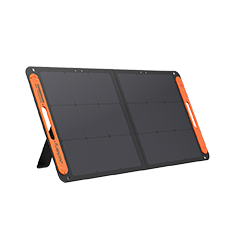


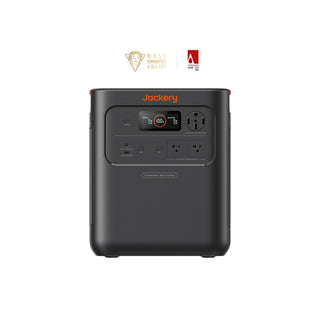
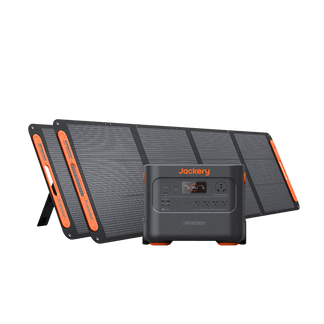
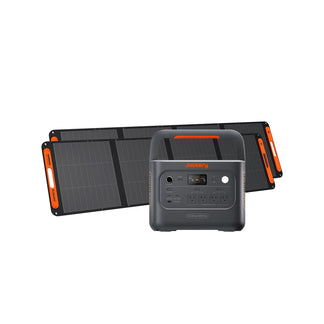
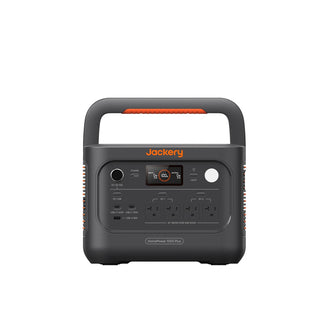
![[Add-on] Jackery SolarSaga 500 X - Jackery](http://www.jackery.com/cdn/shop/files/add-on-jackery-solarsaga-500-x-1493607.webp?v=1786503068&width=324)
![[Add-on] Jackery Battery Pack 5000 Plus - Jackery](http://www.jackery.com/cdn/shop/files/add-on-jackery-battery-pack-5000-plus-6713401.webp?v=1786503068&width=324)


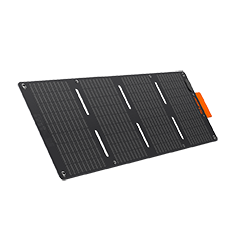
![[Add - on] SolarSaga 200W - Jackery](http://www.jackery.com/cdn/shop/files/add-on-solarsaga-200w-4834329.png?v=1754016915&width=324)


A rice cooker’s wattage depends mainly on its size and function, generally lying between 300 and 1500W. Small rice cooker models usually draw 300–500 watts, mid-size household rice cookers average 600–900 watts, and larger or multi-function models can reach 1000–1500 watts, especially during the initial heating phase. After cooking, the wattage consumption of the rice cooker drops significantly and uses little electricity to maintain the temperature.
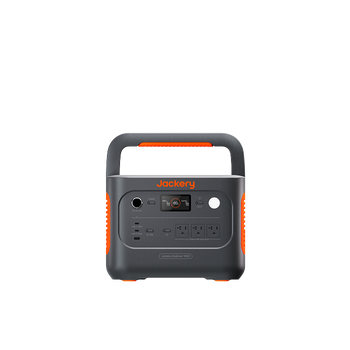
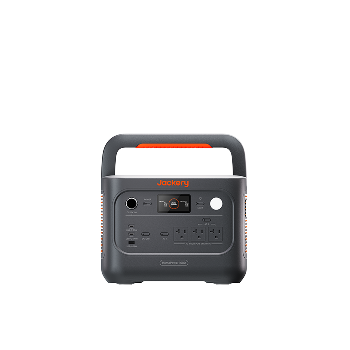
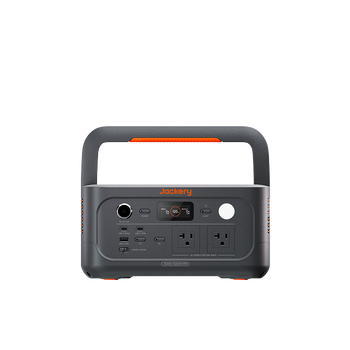
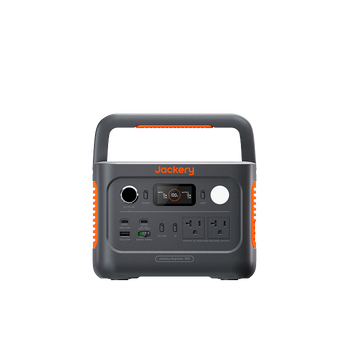
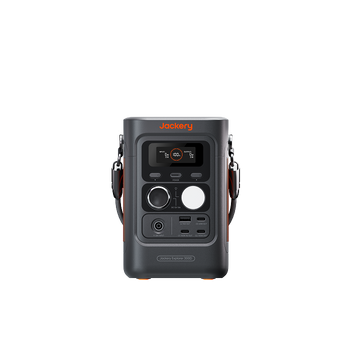
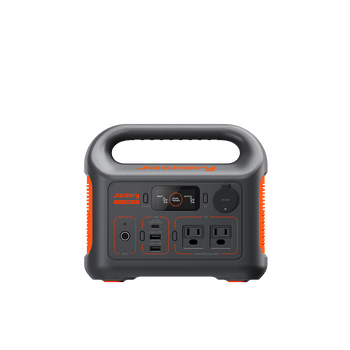
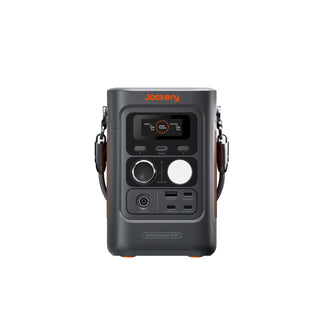
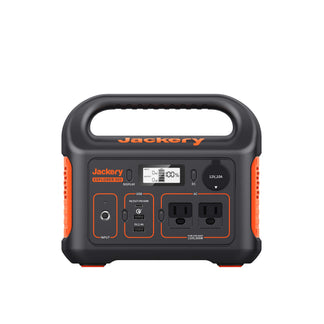
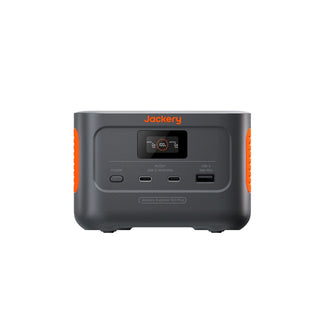
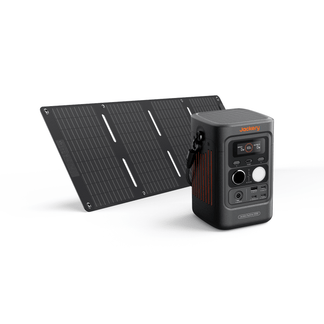
Understanding how many watts does a rice cooker use is useful when planning backup or off-grid power. With the right capacity and output, Jackery Solar Generators can run rice cookers during power outages, camping trips, or off-grid cooking, while also supporting other low- to mid-wattage kitchen appliances when managed properly. These solar generators are portable, so you can easily move them from one place to another.
Takeaways
- The wattage of a rice cooker varies by size, with most household models using 600 - 900 watts while cooking.
- The power draw of a rice cooker is highest during the initial heating stage and drops once rice starts simmering or warming.
- Smaller rice cookers are easier to run on portable power stations due to lower peak demand.
- A properly sized Jackery Solar Generator can run a rice cooker alongside basic kitchen or household essentials during brief or long power outages.
How Many Watts Does A Rice Cooker Use?
A typical rice cooker uses between 300 - 1500W, with 700W being the common average for a 1.8-liter model. Smaller 1 - 3 cup cookers often draw 300 - 500W, while the larger 10-cup models can reach up to 1000 - 1500W. However, this is not the exact watt consumption. Instead, the rice cooker's wattage varies depending on the brand, model, and size.
|
Types |
Wattage |
Capacity in Liter |
Suitable For |
|
Small Rice Cooker |
300 to 500 watts |
0.2 - 0.7 liters (1 to 3 cups) |
Individuals or small households. |
|
Medium Rice Cooker |
600 to 900 watts |
0.9 - 1.9 liters (4 to 8 cups) |
Small to medium-sized families. |
|
Large Rice Cooker |
1000 to 1500 watts |
2.3 liters or more (10 cups or more) |
Larger families or when cooking for events. |
If you are using a 700-watt rice cooker on 120V, it typically needs 5.93 amps or less. On the other hand, a smaller rice cooker would use only 2.5 amps at 120 volts.
The following table shows the watt consumption of rice cookers from different brands.
|
Rank |
Brand |
Capacity in Liters |
Rated Input Power (Watts) |
|
1 |
Prestige |
1.8 |
650 |
|
2 |
Inalsa |
1.8 |
700 |
|
3 |
Maharaja Whiteline |
1.8 |
650 |
|
3 |
Butterfly |
1.8 |
700 |
|
4 |
Panasonic |
1.8 |
650 |
|
4 |
Next |
1.8 |
650 |
|
4 |
Morphy Richards |
1.8 |
700 |
|
5 |
Reconnect |
1.8 |
700 |
|
5 |
Philips |
1.8 |
700 |
|
5 |
Usha |
1.8 |
650 |
|
6 |
Bajaj |
1.5 |
350 |
What Factors Affect A Rice Cooker Wattage?
The wattage consumption of a rice cooker depends on the capacity, cooking technology, and operating mode. In addition, advanced technologies such as Induction Heating or pressure cooking increase the peak power, while the “keep warm” mode reduces the wattage consumption.
Rice cookers are great appliances, but they consume a lot of energy, which determines the wattage. Here are the key factors affecting the rice cooker wattage.
Size and Capacity: The cooker's size and capacity affect the total energy usage. A large rice cooker uses more energy than a smaller one — even if you are cooking the same quantity of rice.
Rice Cooker Functionality: The more functions a rice cooker has, the more watts it will consume. For example, the "keep warm" function can maintain the cooked rice temperature for a long period. Although the feature is convenient, it draws a lot of electricity and increases the watt consumption.
Cooking Time: The duration for which the rice is cooked directly impacts the wattage consumption. When you cook for long hours, it will require more energy.
Insulation and Construction: A well-insulated rice cooker is designed to retain heat effectively, which reduces the need for additional power to maintain the required cooking temperature.
Water Usage: When you are using too much water, the rice cooker will need more energy to boil off the excess water. The correct rice-to-water ratio is one of the best ways to reduce energy usage and watt consumption.
How Much Does It Cost to Run A Rice Cooker?
Running a rice cooker is relatively inexpensive because it operates for a short time and uses moderate power. Most household rice cookers cost a few cents per cooking cycle, depending on wattage and local electricity rates.
Let us assume a 700-watt rice cooker runs for 30 minutes (0.5 hours).
700 W × 0.5 h = 350 Wh = 0.35 kWh
If electricity costs $0.15 per kWh:
0.35 kWh × $0.15 = $0.05 per use
This means cooking rice typically costs around five cents per session under average conditions.
A low-wattage rice cooker typically uses between 620 and 700W of electricity during the cooking process. If the rice cooker draws anywhere around 627W or 0.627kW of electricity, the operational cost is around $0.0013. The cost per hour, in this case, is $0.07. If you are leaving the rice cooker on warm for an hour, it will cost $0.14 per day. That means running a rice cooker will cost around $4-5 per month.
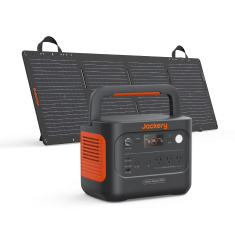
One way to offset the high electricity bills is using a solar generator. It uses free solar energy to power home appliances, helping you reduce the high electricity bills. Jackery Solar Generators are portable battery backup solutions that can power most appliances, like rice cookers. These portable battery backup solutions can be carried anywhere for indoor and outdoor use to supply interrupted power supply.
Like Christina Gordon, many homeowners don’t think seriously about backup power until an outage makes everyday essentials disappear. During the Texas winter storm, she lost access to lighting, cooking, heat, refrigeration, and even phone charging, leaving her home colder and increasingly disconnected by the hour. After switching to a Jackery Solar Generator with a smart transfer switch, those essentials stayed on, as lights worked, the refrigerator kept running, and her home office devices stayed powered without noise or manual effort. You can read more real-life experiences like Christina’s and see how others use solar generators in Jackery Stories.
Jackery Solar Generators for Rice Cookers
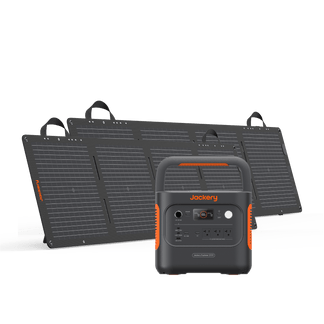
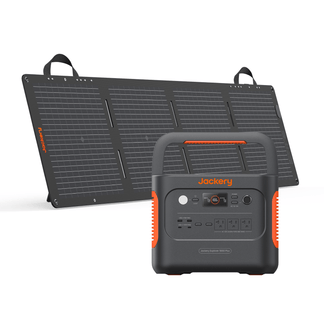
Jackery is the leading brand that manufactures solar generators, power stations, and solar panels. The Jackery Solar Generators combine the portable power stations and solar panels to run home or outdoor electrical devices.
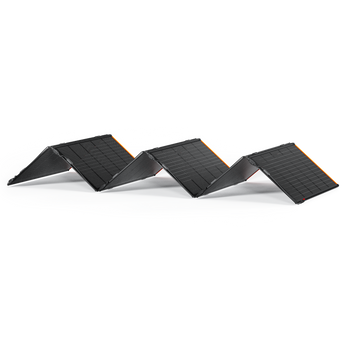
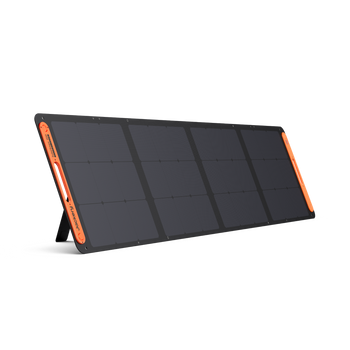
The solar generators are portable, lightweight, and powerful batteries that can power rice cookers during power outages, camping, RVing, blackouts, or brownouts. The solar panels capture the direct sunlight and convert it into DC. The built-in inverter of the power station converts the DC to AC electricity to power devices like rice cookers.
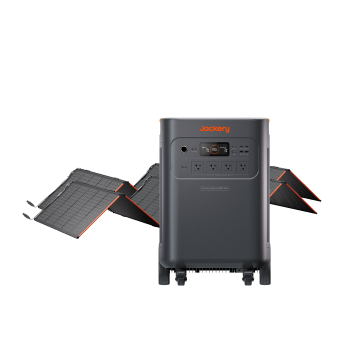
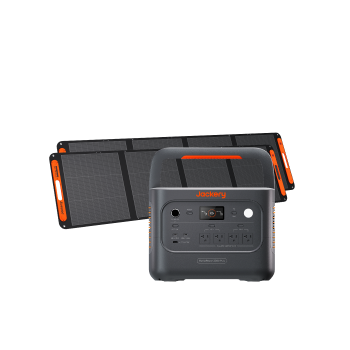
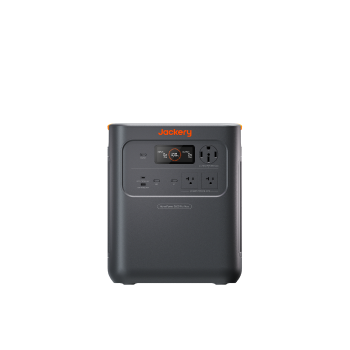
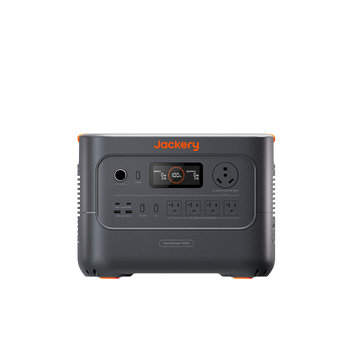
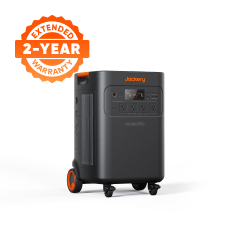
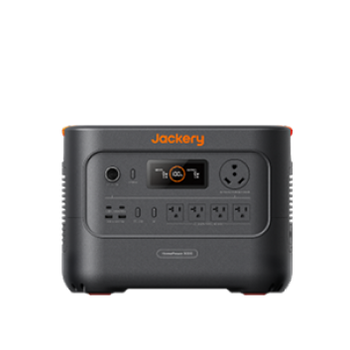
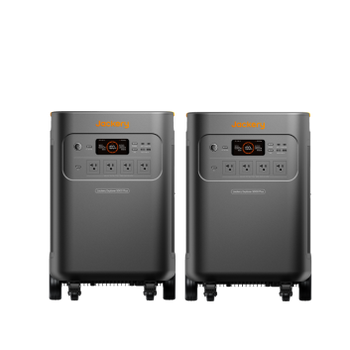
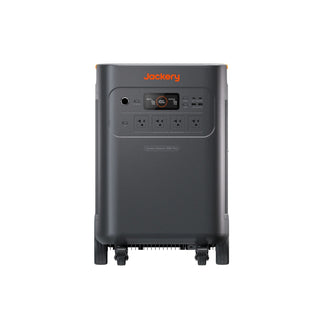
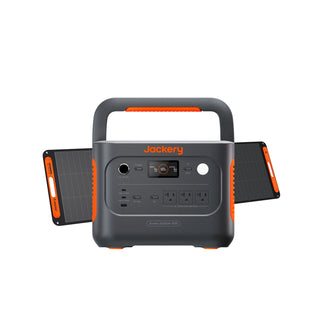
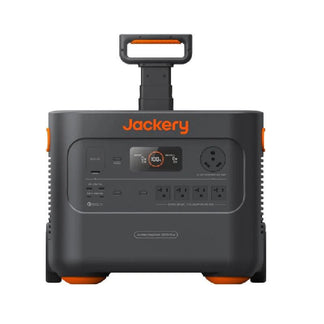
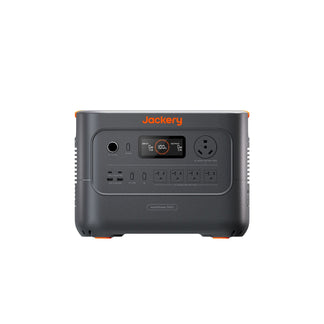
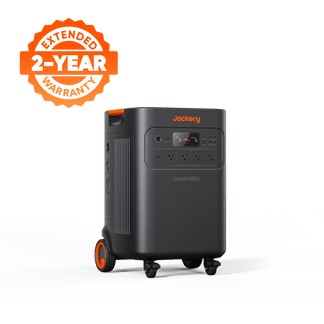
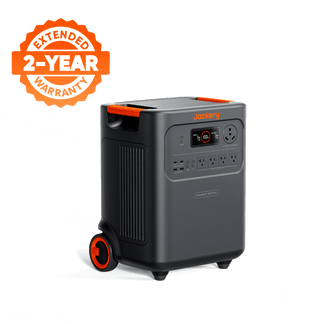
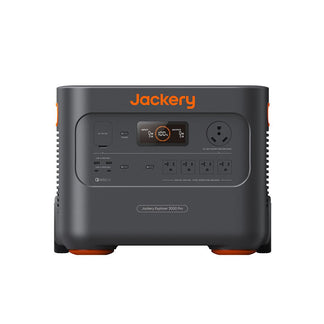
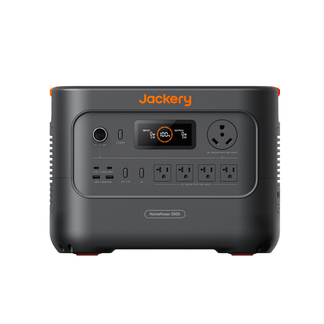
Jackery Solar Generator HomePower 3000
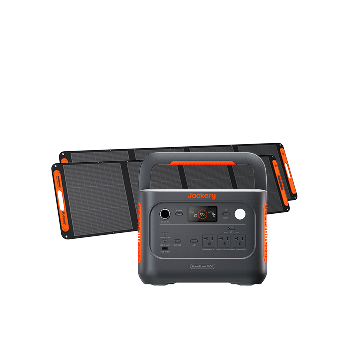
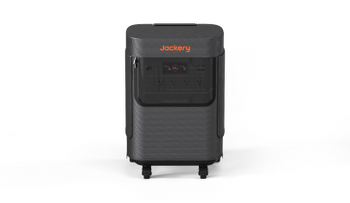
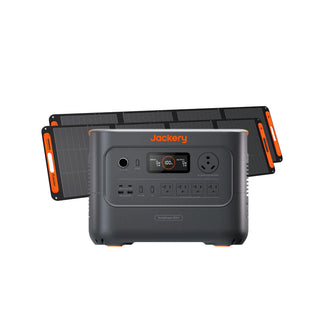
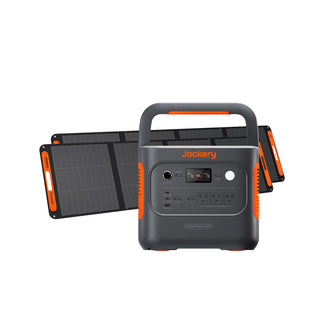
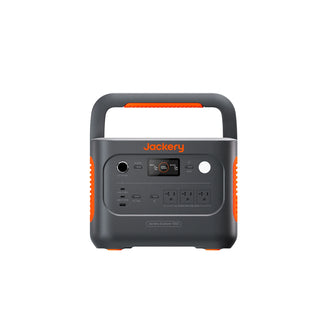
The Jackery Solar Generator HomePower 3000 can comfortably support most household rice cookers, which typically draw between 300 and 1500 watts, depending on size and cooking phase. It works well for off-grid cooking, power outages, or situations where rice needs to be prepared alongside a few other low-wattage kitchen essentials. This essential home backup solution features dual-sided handles that ensure easy movement from one place to another.
Appliances Running Time
- Small Rice Cooker (400W) = 6.2H
- Medium Rice Cooker (800W) = 3.2H
- Large Rice Cooker (1200W) = 2.1H
Who Should Buy This
If you want reliable backup or off-grid power to cook rice and run basic kitchen appliances without managing frequent overloads, the Jackery Solar Generator HomePower 3000 is a practical option.

Customer Review
Awesome for my needs! I live in a rural area and use Jackery products for camping, work, and power outages. The HomePower 3000 is an amazing addition to my Explorer 1500. The HomePower 3000 can also power my RV Trailer. Versatile and provides longer camp trips with the two solar panels as well.
— Joe M.
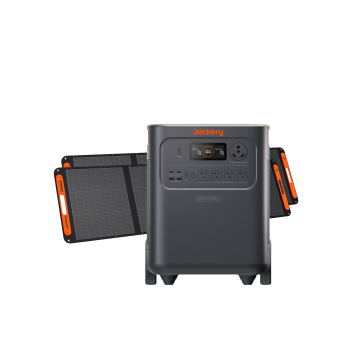
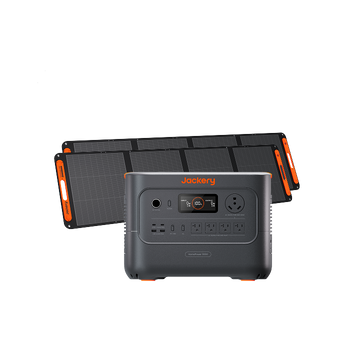
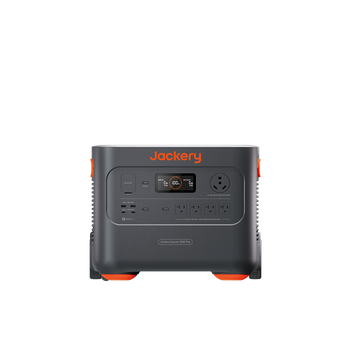
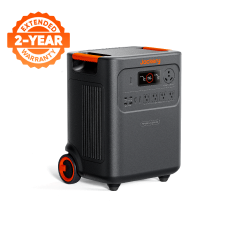
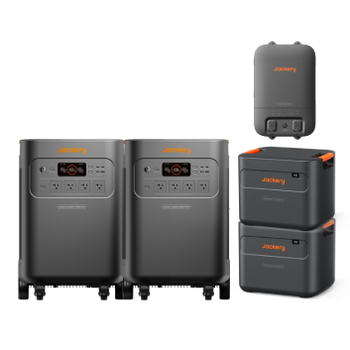
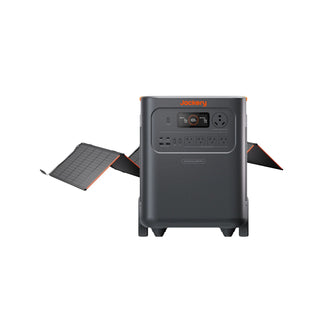
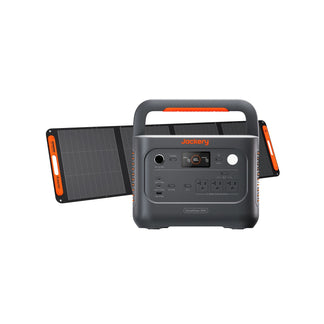
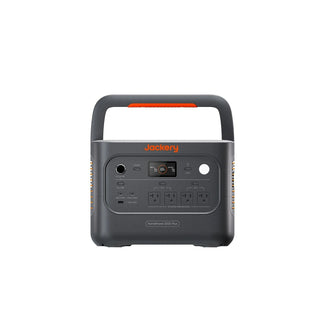
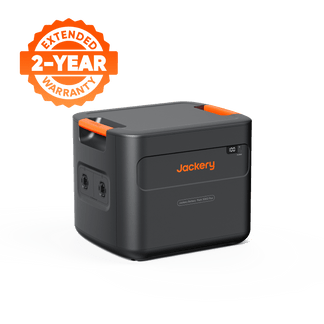
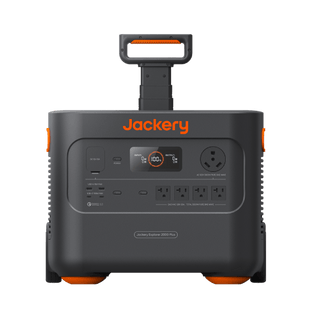
Jackery Solar Generator HomePower 3600 Plus
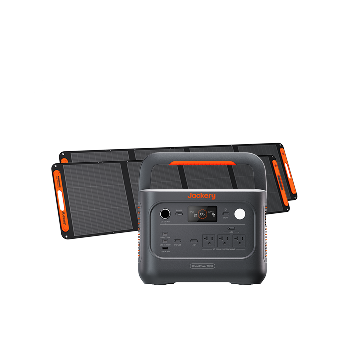
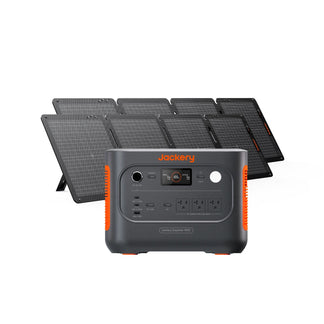
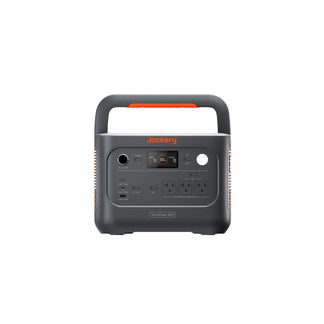
The Jackery Solar Generator HomePower 3600 Plus offers more flexibility for running rice cookers alongside additional appliances. Larger or multi-function rice cookers can draw close to 1,000 watts during cooking, and this essential home battery backup solution allows those loads to run while still supporting lighting, charging, or small kitchen devices at the same time. The large capacity and output also provide longer cooking and meal-preparation capability, which is useful during extended outages or off-grid stays where rice may be cooked multiple times a day.
Appliances Running Time
- Small Rice Cooker (400W) = 7.2H
- Medium Rice Cooker (800W) = 3.7H
- Large Rice Cooker (1200W) = 2.5H
Who Should Buy This
If you expect to use a rice cooker regularly during outages or for off-grid cooking and want extra capacity for longer runtime, the Jackery Solar Generator HomePower 3600 Plus is a better fit.

Customer Review
We had a scheduled power outage shortly after our purchase, and we were able to keep all essential appliances running.
— Michael R.
How to Save The Cost of Running A Rice Cooker?
You can reduce rice cooker electricity costs by improving how efficiently it is used. Soaking rice for 15–20 minutes shortens cooking time, while using the correct water-to-rice ratio prevents unnecessary heating. Cooking vegetables or other foods in the steam tray at the same time also maximizes each cycle. After cooking, avoid leaving the cooker on “keep warm,” unplug it when finished, and prepare larger batches to freeze instead of cooking small amounts repeatedly.
Rice cookers draw a significant amount of electricity that eventually contributes to the electricity bills. Here are a few tips to reduce the cost of running a rice cooker.
- Select the right size rice cooker that aligns with how much rice you want to cook. A small rice cooker would be a great option if you want to cook rice in smaller quantities.
- Avoid adding excess water, which can often lead to long cooking times.
- Before cooking rice, soak them for 20-30 minutes. This will reduce the cooking time and even energy consumption.
- While cooking, keep the cooker's lid closed to avoid heat and pressure loss.
- Power your rice cooker with the help of solar generators to eliminate the cost of running a rice cooker.
- The "keep warm” mode consumes a lot of power, so minimize its usage.
- Always keep the rice cooker clean, as dirty appliances can increase power consumption and reduce its efficiency.
Rice Cooker Wattage FAQs
How many watts does it take to cook rice?
The rice cooker's wattage consumption will depend on the specific recipe and quantity of ingredients. Generally, it takes around 15 or 20 minutes to cook rice in a 1000W cooker.
Do rice cookers use a lot of electricity?
All rice cookers are generally considered to be energy-efficient cooking appliances and consume little electricity. The actual power consumption of the rice cooker will depend on size, specific model, and additional features.
What size of generator do I need to run a rice cooker?
If you are using a 500W rice cooker for 2 hours every day, the daily electricity consumption can be calculated as follows:
Watt-hours = Wattage × Hours of Operation = 500W × 2H = 1000Wh
Estimating the runtime of your Jackery Solar Generator when running the rice cooker is easy. Visit the product page for the Jackery Solar Generator you would like to buy, locate the Running Time Calculator, and enter the wattage of your appliance. You’ll get an estimated runtime. Alternatively, you can visit the Jackery Buying Guide page, choose the Jackery model, and enter the wattage consumption of the rice cooker. For instance, the Jackery HomePower 3000 can power a 300W small cooker for about 8 hours.
How does the wattage of a rice cooker affect its performance?
The rice cooker's wattage determines how quickly the appliance can cook rice. In other words, higher-wattage rice cookers can cook rice more efficiently and faster than low-wattage rice cookers.
Is it more energy-efficient to use a rice cooker or cook rice on a stove?
A rice cooker is typically more energy-efficient than a stove. This is because a rice cooker is designed to use minimal energy and can switch to a "keep warm" mode automatically after the rice is cooked.
Final Thoughts
With the help of rice cooker wattage, you can understand its usage and efficiency. Rice cookers typically consume 300 to 1500W, which can contribute to your bills. If you wish to maximize energy efficiency and reduce the high electricity bills, you can consider investing in solar generators. Jackery Solar Generators are designed to power different sizes and capacities of rice cookers. These solar generators are powerful and portable enough to run essential appliances for long hours.


