









![[Add - on] Jackery Manual Transfer Switch for Explorer 5000 Plus - Jackery](http://www.jackery.com/cdn/shop/files/add-on-jackery-manual-transfer-switch-for-explorer-5000-plus-9017324.png?v=1754016782&width=170)

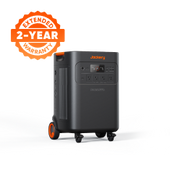
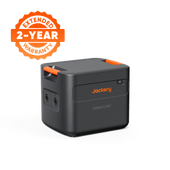
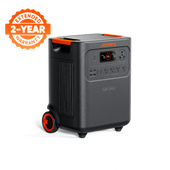
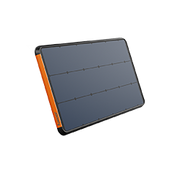
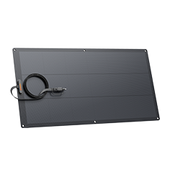
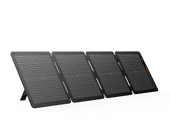

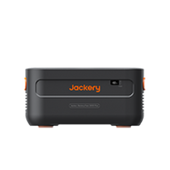
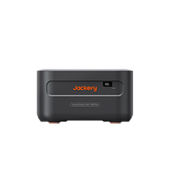


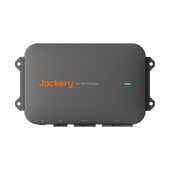


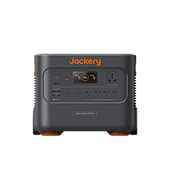
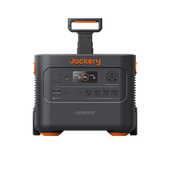
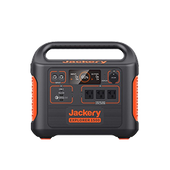
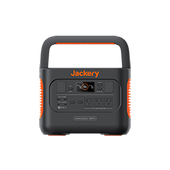
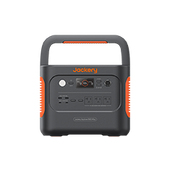
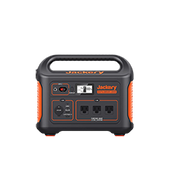
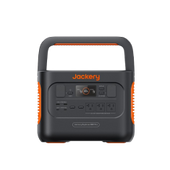
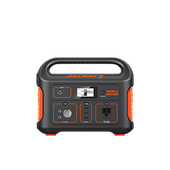

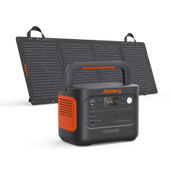
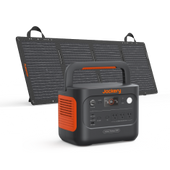
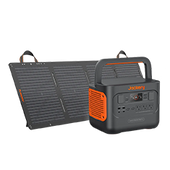

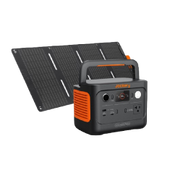
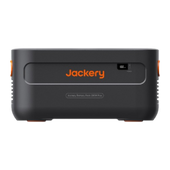
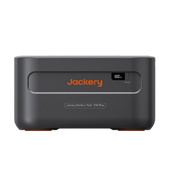
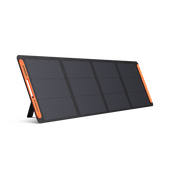


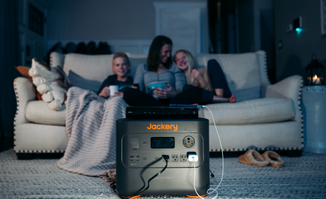




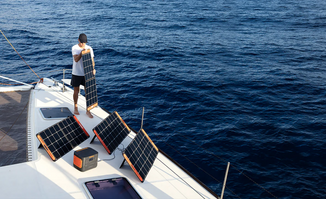
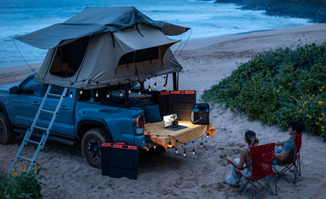
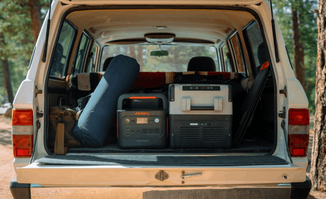




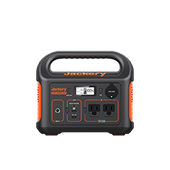




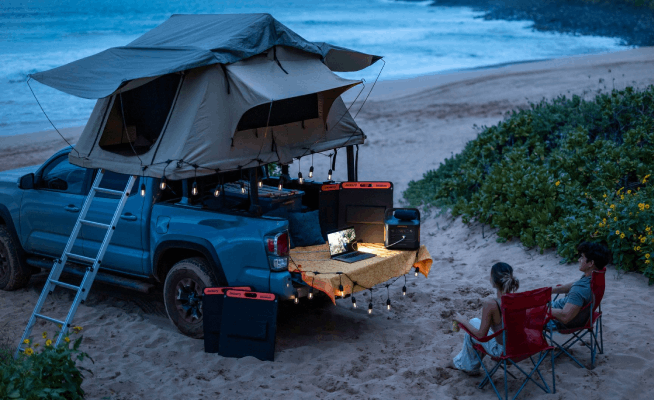
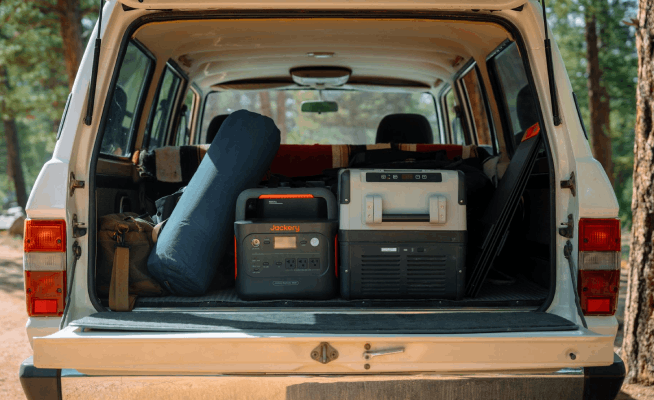

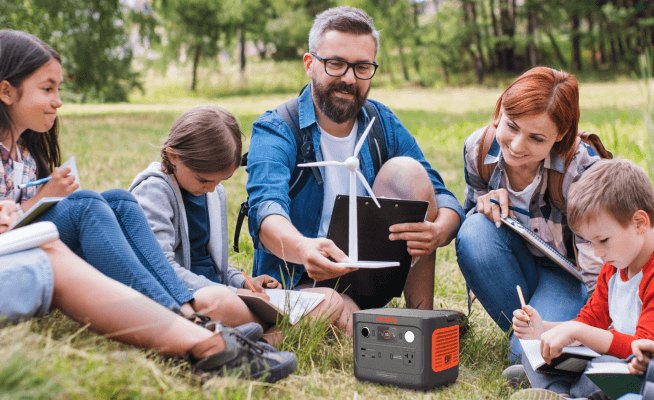








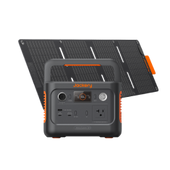
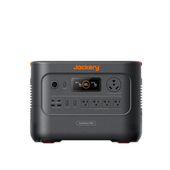
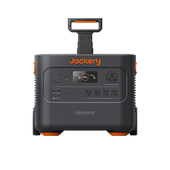
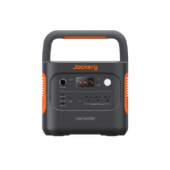
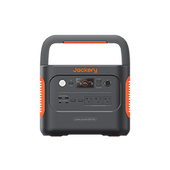
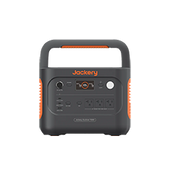
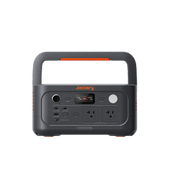
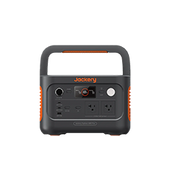
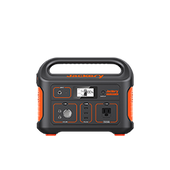
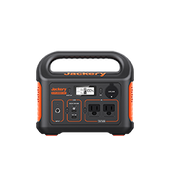
Jackery is one of the reputable portable power station manufacturers, and this comparison guide will compare entry-level products: the Jackery Explorer 240 v2, Jackery Explorer 300, Jackery Explorer 300D, and the Jackery Explorer 300 Plus. The Jackery Explorer 300 is one of the most compact battery backup solutions that supports dual import charging with a USB-C PD port.
The Jackery Explorer 300D is the upgraded version of the Jackery Explorer 300 with LiFePO4 battery. It is ideal for users who prioritize lightweight portability and USB-focused charging. At just 5.5 lbs and smaller than typical 300Wh models, it is easier to carry whenever you go to keep small devices charged.
The Jackery Explorer 240 v2 is another compact entry-level solar charging solution that supports direct USB-C fast charging for a range of your electronic appliances such as phones, laptops, cameras, etc. The Jackery Explorer 300 Plus, on the other hand, is an extremely well-designed and upgraded version of the previous model. It has a LiFePO4 battery that can charge most of your home or outdoor appliances. In this Jackery 240 v2 vs. 300 vs. 300D vs. 300 Plus face-off battle, we will dig into the details of each portable power station and how they differ.
Comparison Chart of Jackery Explorer 240 v2, 300, 300D, and 300 Plus
Portable power stations come with two popular types of batteries: lithium-ion batteries and LiFePO4. The major difference between these battery types is the number of lifecycles.
Jackery Explorer 300 has a NMC battery of 293Wh with 500 charging cycles (charge and discharge). After these charging cycles, the capacity drops to 80%. Alternatively, Jackery Explorer 300D and Explorer 300 Plus features a LiFePO4 battery of 288Wh capacity.
The Jackery Explorer 240 v2, Jackery Explorer 300D, and Jackery Explorer 300 Plus have the same battery type. For example, the Jackery Explorer 240 v2 has a LiFePO4 battery of 256Wh with 3000 charging cycles (charge and discharge). After these charging cycles, the capacity drops to 80%.
The following sections will reveal the technical aspects and recharge time of different Jackery Portable Power Stations.
Features/Specs Comparison
Jackery Explorer 240 v2, Jackery Explorer 300D, and Jackery Explorer 300 Plus are compact and relatively lightweight power stations. These entry-level solar charging solutions are ideal fit for camping trips or even if there is some power emergency at home.
In the following table, we have a full side-by-side breakdown of all the important technical aspects of the Jackery Explorer 300, Jackery Explorer 300D, Jackery Explorer 240 v2, and Jackery Explorer 300 Plus.
|
Comparison |
Explorer 240 v2 (New Version) |
Explorer 300D |
Explorer 300 Plus |
|
|
Weight |
7.9 lbs (3.6 kg) |
7.1 lbs (3.2 kg) |
5.51 lbs (2.5 kg) |
8.27 lbs (3.75 kg) |
|
Portability |
Easy to carry handle |
Easy to carry handle |
Easy to carry handle |
Foldable handle and lightweight |
|
Size (LxWxH) |
Length: 9.1 in (23 cm) Width: 6.0 in (15.3 cm) Height: 6.6 in (23.1 cm) |
Length: 9.1 in (23 cm) Width: 5.2 in (13.3 cm) Height: 7.8 in (19.9 cm) |
Length: 7.20 in (18.3 cm) Width: 4.67 in (11.86 cm) Height: 4.73 in (12.02 cm) |
Length: 9.1 in (23 cm) Width: 6.1 in (15.5 cm) Height: 6.6 in (16.7 cm) |
|
Capacity |
256Wh |
293Wh |
288Wh |
288Wh |
|
Output Power (Rated/Surge) |
300W (600W Peak) |
300W (500W Peak) |
140W |
300W (600W Peak) |
|
AC Output |
(x1): 120V~ 60Hz, 2.5A, 300W Rated, 600W Surge peak |
(x2): 110V, 60Hz, 300W (500W Peak) |
— |
(x1): 120V, 60Hz, 300W (600W Peak) |
|
USB-A Output |
(x1): 15W Max, 5V⎓3A Max |
(x1): 5V⎓2.4A Quick Charge 3.0 (x1), 18W Max |
15W Max, 5V=3A |
(x1): 15W Max 5V⎓3A |
|
USB-C Output |
(x1): 15W Max, 5V⎓3A Max |
(x1): 60W Max, (5V, 9V, 12V up to 3A) |
C1:140W Max, 5V=3A, 9V=3A, 12V=3A, 15V=3A, 20V=5A, 28V=5A C2:140W Max, 5V=3A, 9V=3A, 12V=3A, 15V=3A, 20V=5A, 28V=5A C3: 65W Max, 5V=3A, 9V=3A, 12V=3A, 15V=3A, 20V=3.25A |
100W Max, 5V⎓3A (5V, 9V, 12V, 15V, 20V up to 5A) |
|
Car Port |
12V⎓10A |
12V⎓10A |
12V=10A Max |
12V⎓10A |
|
AC Input |
Charge mode AC input: 220V-240V~ 50Hz, 10A Max |
It doesn't support direct AC charging - use the external AC charger provided. |
USB-C Input: C1: 5V=3A, 9V=3A, 12V=3A, 15V=3A, 20V=5A, 28V=5A, 140W Max |
100V, 60Hz, 15A Max |
|
DC Input |
— |
24V⎓3.75A |
Car: 11-16V=6A Max, 96W Max |
— |
|
Cell Type |
LiFePO4 |
Lithium-ion |
LiFePO4 |
LiFePO4 |
|
Manage System |
BMS, Over Voltage Protection, Short Circuit Protection |
BMS, Over Voltage Protection, Short Circuit Protection |
BMS, Over Voltage Protection, Short Circuit Protection |
BMS, Over Voltage Protection, Short Circuit Protection |
|
Recharge Lifecycle |
3000 cycles to 80%+ capacity |
500 cycles to 80%+ capacity |
4000 cycles to 70%+ capacity |
3000 cycles to 80%+ capacity |
|
Recharge Types |
Solar Recharging: 3.3H (1*SolarSaga 100W Solar Panel) Wall Recharging: 2 H Car Recharging: 5 H
|
Solar Recharging: 5H (1*SolarSaga 100W Solar Panel) Wall Recharging: 4.5 H Car Recharging: 5 H USB-C PD: 5.5 H |
Solar Recharging: 9.5 H (1*Jackery SolarSaga 40W Air Solar Panels) Wall Recharging: 2.4 H Car Recharging: 4 H |
Solar Recharging: 9.5 H (1*Jackery SolarSaga 40W Solar Panels) Wall Recharging: 2 H Car Recharging: 5.5 H USB Charging: 2.8 H |
|
Display Screen |
Smart Screen |
LCD Screen |
Smart Screen |
Smart Screen |
|
App Control |
Yes (Smart App Control) |
No |
No |
Yes (Smart App Control) |
|
Operating Temperature |
32℉~113℉ (0°C~45°C) |
14-104 °F (-10-40°C) |
Charge Temperature: 32°F to 113°F / 0°C to 45°C Discharge Temperature: 5°F to 113°F / -15°C to 45°C |
14-113 °F (-10-45°C) |
|
Quiet Level |
42dB Maximum (Less than that of a library) |
36.4dB Maximum (Less than that of a library) |
30dB Maximum (Less than that of a library) |
Less than 45dB Maximum (Less than that of a whisper) |
|
Durable Design |
Compact, Safe, and Lightweight Design |
Compact, Safe, and Lightweight Design |
Compact, Safe, and Lightweight Design |
Compact, Safe, Portable, and Lightweight Design |
|
Warranty |
3+2 Years Warranty (the two-year extra warranty is applied automatically when you purchase it from the official website) |
2+1 Years Warranty (the one-year extra warranty is applied automatically when you purchase it from the official website) |
3+2 Years Warranty (the two-year extra warranty is applied automatically when you purchase it from the official website) |
3+2 Years Warranty (the two-year extra warranty is applied automatically when you purchase it from the official website) |
|
Shipping |
Free shipping costs on every Jackery order. Fast Shipping: 3 - 4 business days FedEx shipping service for: CA/AL/GA/LA/MA/MO/NC/SC/NC/VA/AR/IL/KS/OK/TX. |
|||
|
Solar Bundle |
SolarSaga 40W Solar Panels: Up to 1 Pc SolarSaga 100W Solar Panels: Up to 1 Pc |
SolarSaga 80W Solar Panels: Up to 2 Pcs SolarSaga 100W Solar Panels: Up to 1 Pc |
SolarSaga 40W Air Solar Panels: Up to 1 Pc SolarSaga 100W Air Solar Panels: Up to 1 Pc |
SolarSaga 40W Solar Panels: Up to 1 Pc SolarSaga 100W Solar Panels: Up to 1 Pc |
Recharging Time
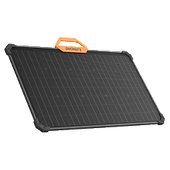
Jackery Explorer 300 Plus is compatible with book-sized Jackery SolarSaga 40W Solar Panels and can be recharged in 9.5 hours. On the contrary, the Jackery Explorer 300 can be recharged much faster. With the combination of a 90W wall charger and a 60 USB-C PD charger, the Jackery Explorer 300 can be recharged in only 2.5 hours. The Jackery Explorer 240 v2 can be recharged much faster than Jackery 300 Plus. For example, with the 1*Jackery SolarSaga 100W Solar Panel, the Jackery Explorer 240 v2 can be recharged in only 3.3 hours.
Both Jackery Explorer 300 and Jackery Explorer 300 Plus also support wall or AC charging options. While the Jackery Explorer 300 can be recharged in 4.5 hours, the Jackery Explorer 300 Plus can be charged in only 2 hours. Similarly, the Jackery Explorer 240 v2 can be charged with the help of the wall outlet in around 2 hours. The Jackery Explorer 300D can be recharged in 4 hours via a car adapter and in 2.4 hours via an AC outlet. It can also be recharged in 9.5 hours with the help of 1* Jackery SolarSaga 40W Air Solar Panel.
|
Comparison |
Explorer 240 v2 |
Explorer 300 |
Explorer 300D |
Explorer 300 Plus |
|
Wall Recharging |
2H |
4.5H |
2.4H |
2H |
|
Car Recharging |
5H |
5H |
4H |
5.5H |
|
USB Charging |
— |
5.5H |
— |
2.8H |
|
1*SolarSaga 40W Solar Panel |
11H |
— |
9.5H (1*Jackery SolarSaga 40W Air) |
9.5H |
|
1*SolarSaga 100W Solar Panel |
3.3H |
5H |
3.5H (1* Jackery SolarSaga 100W Air) |
5.5H |
Jackery Explorer 240 v2 vs. 300D vs. 300 vs. 300 Plus In Different Using Scenes
Jackery Explorer 300 has a 293Wh battery capacity, which makes the power station appropriate for charging small and low-power-consuming appliances.
The Jackery Explorer 300D and the Jackery Explorer 300 Plus both have a 288Wh battery capacity that can also be used to power small appliances during camping, hiking, and other outdoor activities.
The following Jackery 240 v2 vs. 300D vs. 300 vs. 300 Plus comparison guide will focus on which portable power station is ideal for which scenarios.
Camping Appliances
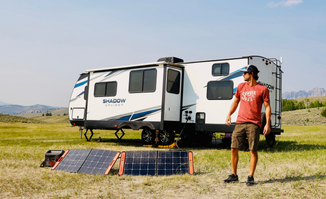
The Jackery Explorer 240 v2, Jackery Explorer 300D, and Jackery Explorer 300 Plus are portable and lightweight solar battery backup solutions that work well for camping trips. These small battery backups can power smaller appliances like laptops, drones, speakers, camping lights, and lamps.

While they have relatively similar battery capacities, the main difference lies in the weight. The Jackery Explorer 240 v2 weighs around 7.9 lbs or 3.6 kg, whereas the Jackery Explorer 300 Plus has a weight of 8.27 lbs or 3.75 kg. The Jackery Explorer 300D is lighter than both the Jackery Explorer 240 v2 and the Jackery Explorer 300 Plus. It weighs only 5.5 lbs or 2.5 kg that makes it easier for transportation.
The Jackery Explorer 300D works well for camping trips where you want dependable power. It’s well suited for charging phones, cameras, lanterns, and other USB-powered gear throughout the day. Hence, if you are looking for a compact charging solution that is ideal for camping, hiking, or fishing, you can consider going ahead with the Jackery Explorer 240 v2 or Jackery Explorer 300D.
Here is how long you can charge specific appliances using these power stations.
|
Appliances /Running Time |
Explorer 240 v2 |
Explorer 300 |
Explorer 300D |
Explorer 300 Plus |
|
Speaker (30W) |
5.2H |
6.0H |
5.9H |
5.9H |
|
Lighting Lamp (5W) |
14H |
16.0H |
15.7H |
15.7H |
|
Camera (9W) |
11.0H |
12.6H |
12.4H |
12.4H |
|
Mobile Phone (30W) |
5.2H |
6.0H |
5.9H |
5.9H |
|
Drone (90W) |
2.1H |
2.4H |
2.4H |
2.4H |
Power Outage/Home Appliances
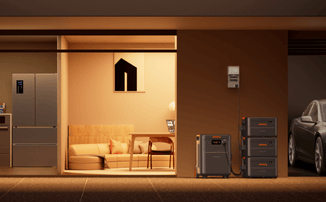
Besides outdoor trips, the Jackery Explorer 300D and Jackery Explorer 300 Plus are great choices for small home appliances. Although they cannot charge larger devices, these entry-level solutions can power lights, laptops, mobile phones, and more.
But if you want a power station for powering essential household appliances for long hours, you'll need to opt for Jackery Explorer 2000 Plus or Jackery HomePower 3600 Plus. These portable power stations can run most of your home appliances, making them great choices for essential home backup.
Outdoor Working Appliances
Jackery Explorer Portable Power Stations have sturdy designs and lightweight nature that make them excellent choices for outdoor working experiences. For instance, the Jackery Explorer 240 v2, Jackery Explorer 300D, and Jackery Explorer 300 Plus can charge laptops, smartphones, lights, and other small appliances.
You can carry them easily from one place to another without having to do any heavy lifting. One thing that makes the Jackery Explorer 300 Plus preferable compared to its counterpart — the Jackery Explorer 300 — is its compact nature.
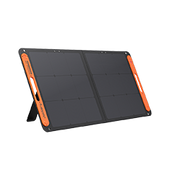
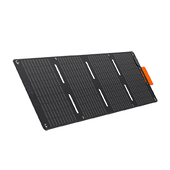
The Jackery Solar Generator 300 Plus combines Jackery Explorer 300 Plus and book-sized, foldable Jackery SolarSaga 40W Solar Panels that can slip into a backpack. In addition, the power station has multiple output ports to charge several electrical devices simultaneously.
For outdoor work, the Jackery Explorer 300D is also a practical choice for powering everyday work essentials. It can handle laptops, mobile hotspots, cameras, and small lights, which makes it useful for remote work, photography, or content creation outside the home. The lightweight design means you can reposition it easily as your setup changes, and its multiple output ports let you charge several devices at once. It’s a simple solution for staying productive outdoors without relying on wall outlets or noisy generators.

Conclusion
From this Jackery 240 v2 vs. 300D vs. 300 vs. 300 Plus guide, it is clear that these entry-level power stations can be a worthy investment. The Jackery Explorer 240 v2, Explorer 300D, and Explorer 300 Plus are small battery backup solutions ideal for outdoor purposes. They feature LiFePO4 batteries with multiple output ports and robust battery capacity.
If you are an outdoorsy kind of person, these entry-level solutions are ideal for outdoor vacations as well as emergency power backups in the event of blackouts. Regardless of which solar solution you invest in, they can provide adequate power to run small devices.


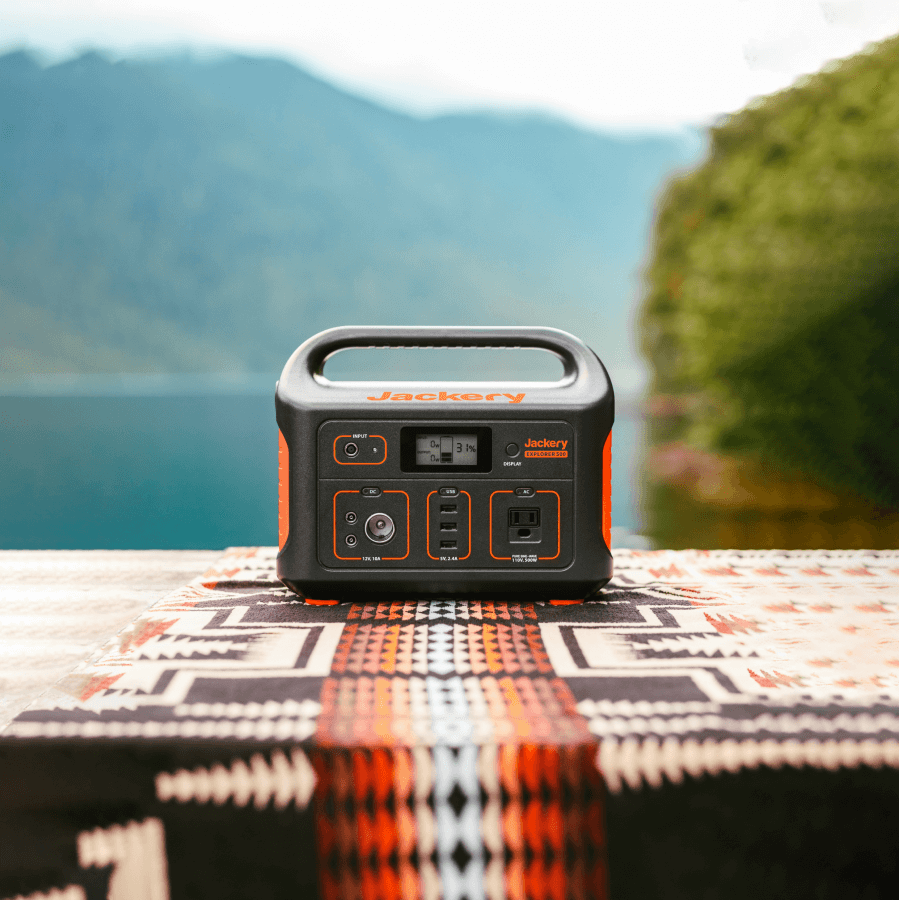


I have a Jackery 300 and it won’t even power my mini steamer for clothes or my hair curler while the electricity is out!!
Leave a comment